If you want to sell your Parker home for a strong price, preparation matters more than luck. You are not just putting a house on the market. You are making a series of smart decisions about timing, repairs, presentation, and showings that can shape your result. In Parker, where recent market data points to meaningful buyer activity, the sellers who plan ahead are often in a better position when their home first goes live. Let’s dive in.
Why prep matters in Parker
Local numbers suggest that Parker sellers still benefit from a polished launch. According to a Parker-area market report from SMDRA, Parker showed a median sales price of $709,946, 60 days on market, and 98.8% of list price received through December 2025. The same report notes that Douglas County’s February 2026 MLS results showed a median sales price of $700,000, 67 days on market, and 2.2 months of inventory.
These numbers track different time periods and metrics, so they should be used as directional context, not exact one-to-one comparisons. Still, they support a practical takeaway: in Parker, it is smart to prepare before listing rather than trying to fix things after your home hits the market. A ready home, a clean launch, and thoughtful pricing work together.
Step 1: Start with readiness
Trying to guess the perfect listing week is usually less helpful than making sure your home is truly ready. If your repairs are unfinished, your paperwork is scattered, or your photos are rushed, you can lose momentum right out of the gate.
A better approach is to build your timeline around preparation. That means getting your home in shape first, then pricing and launching once the property is ready to make a strong first impression online and in person.
Step 2: Triage repairs first
Before you think about decor or staging, focus on the repairs that matter most. In Colorado, the seller disclosure form asks about issues such as structural problems, moisture or water concerns, roof damage, hail, wind, fire or flood damage, radon mitigation, HOA status, and metropolitan district status, based on your current actual knowledge. The form also requires you to promptly disclose any new adverse material fact discovered later in writing, as outlined in the Colorado Seller’s Property Disclosure form.
That is why your first repair pass should be practical, not cosmetic. Start with safety issues, signs of water intrusion, roofing concerns, structural items, and anything likely to raise questions during inspections or disclosures.
What to fix before listing
Prioritize items like these:
- Active leaks or past water-damage areas
- Roof issues or visible storm-related wear
- Structural concerns or cracks that need review
- Safety issues involving stairs, railings, doors, or windows
- Electrical, plumbing, or mechanical issues that are obvious or not working properly
- Anything you already know will need to be disclosed
You do not need to make every update under the sun. You do need to address the items most likely to affect buyer confidence, inspection results, or your disclosure obligations.
Step 3: Gather permits and paperwork
One of the easiest ways to reduce stress later is to organize your documents early. If you have completed work on the home, buyers may ask when it was done, who did it, and whether permits were required.
The Town of Parker states that permits are handled by its Building Division and that permits are required for nearly any work done within incorporated Parker. The town also notes that permits provide third-party verification that work met minimum code requirements, and applications are submitted through Parker’s Building Division and eTRAKiT system.
For homeowners planning repairs before listing, the town’s homeowner permit agreement also notes that contractors must be registered with the town when permits are required, and electrical and plumbing contractors are state licensed. If your pre-list work touches electrical, plumbing, or mechanical systems, verify permit and licensing requirements before work begins.
What to keep in one folder
Create a simple digital or paper file with:
- Permit records
- Contractor invoices and receipts
- Warranties
- Roof or repair documentation
- HOA documents, if applicable
- Metropolitan district information, if applicable
- Any inspection reports or extra disclosure pages
This step can make the disclosure process smoother because Colorado’s disclosure form allows sellers to attach extra pages, reports, and receipts.
Step 4: Declutter with photography in mind
Once the home’s major issues are handled, turn your attention to presentation. This is where many sellers gain or lose attention before a buyer ever schedules a showing.
According to the National Association of Realtors 2025 staging report, 29% of agents said staging led to a 1% to 10% increase in the dollar value offered, and 49% said staging reduced time on market. The same report found that 83% of buyers’ agents said staging made it easier for buyers to envision the property as a future home.
That does not mean your house has to look like a furniture showroom. It does mean your rooms should feel open, easy to understand, and ready for high-quality photos.
Focus on the highest-impact spaces
NAR found that the most important rooms to stage were:
- Living room
- Primary bedroom
- Kitchen
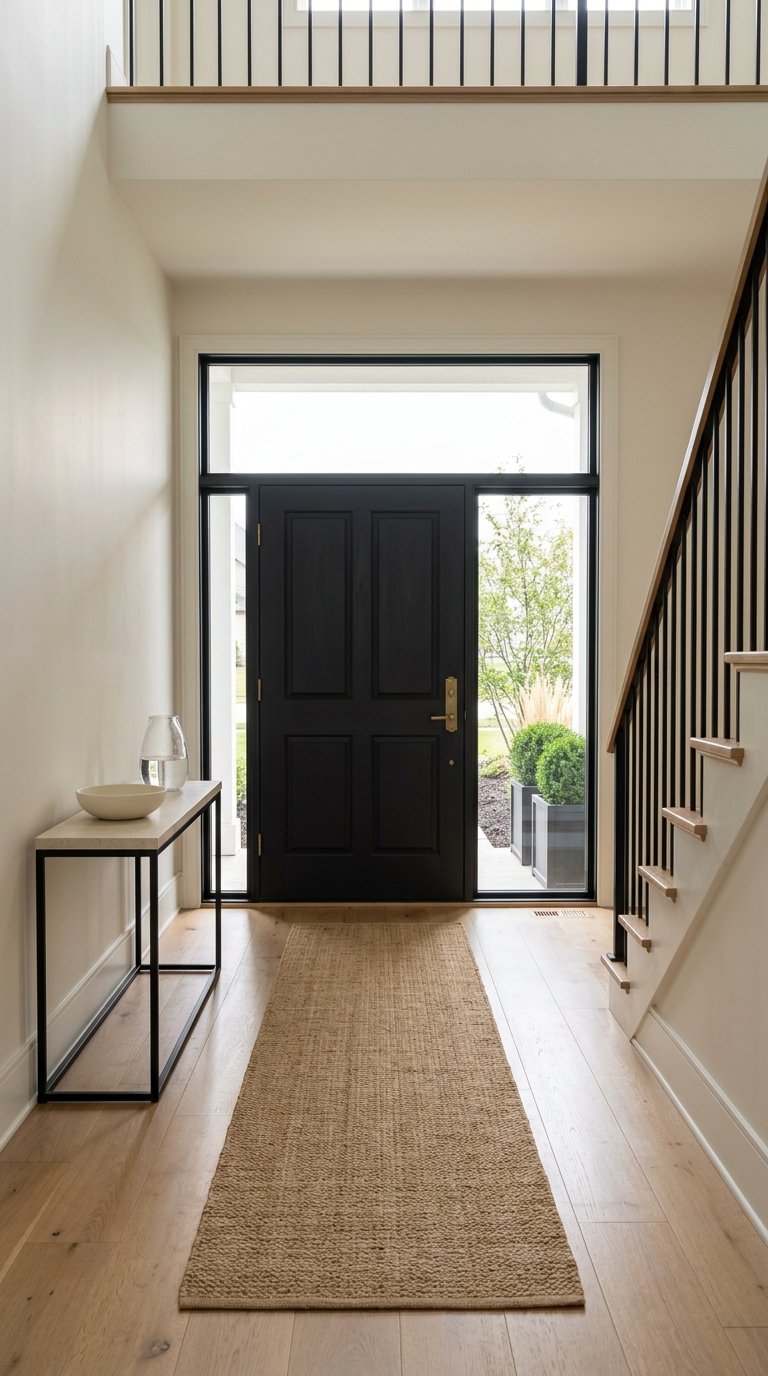
For a Parker home, function-first staging often works well. Clean sightlines, clear surfaces, and well-defined shared spaces help buyers understand how daily life could work in the home.
Step 5: Stage before photos
Online presentation is often the first showing. Buyers may see your home in photos long before they walk through the front door, which makes timing important.
NAR reported that buyers’ agents ranked photos as highly important at 73%, followed by physical staging at 57%, video at 48%, and virtual tours at 43%. That is a strong reminder that staging should happen before photography, not after.
Simple prep that often pays off
The same NAR report found that the most common recommendations from seller agents were:
- Decluttering the home
- Cleaning the entire home
- Improving curb appeal
If you are deciding where to spend time and money, those basics are a smart place to start. NAR also reported a median cost of $1,500 for using a staging service, compared with $500 when a seller’s agent handled staging themselves. That can help you think about staging as a spectrum, not an all-or-nothing decision.
Step 6: Boost curb appeal
Your exterior sets expectations before buyers step inside. In-person showings begin at the curb, and listing photos often include the front of the home as one of the first images buyers see.
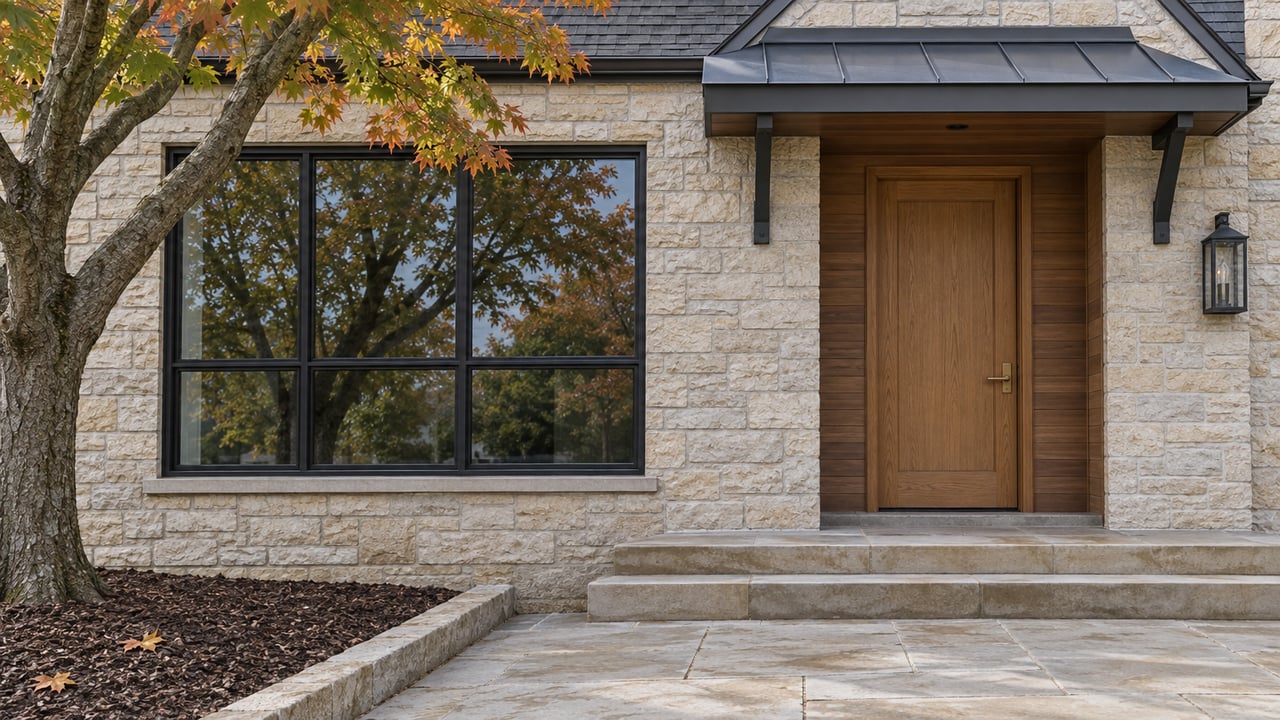
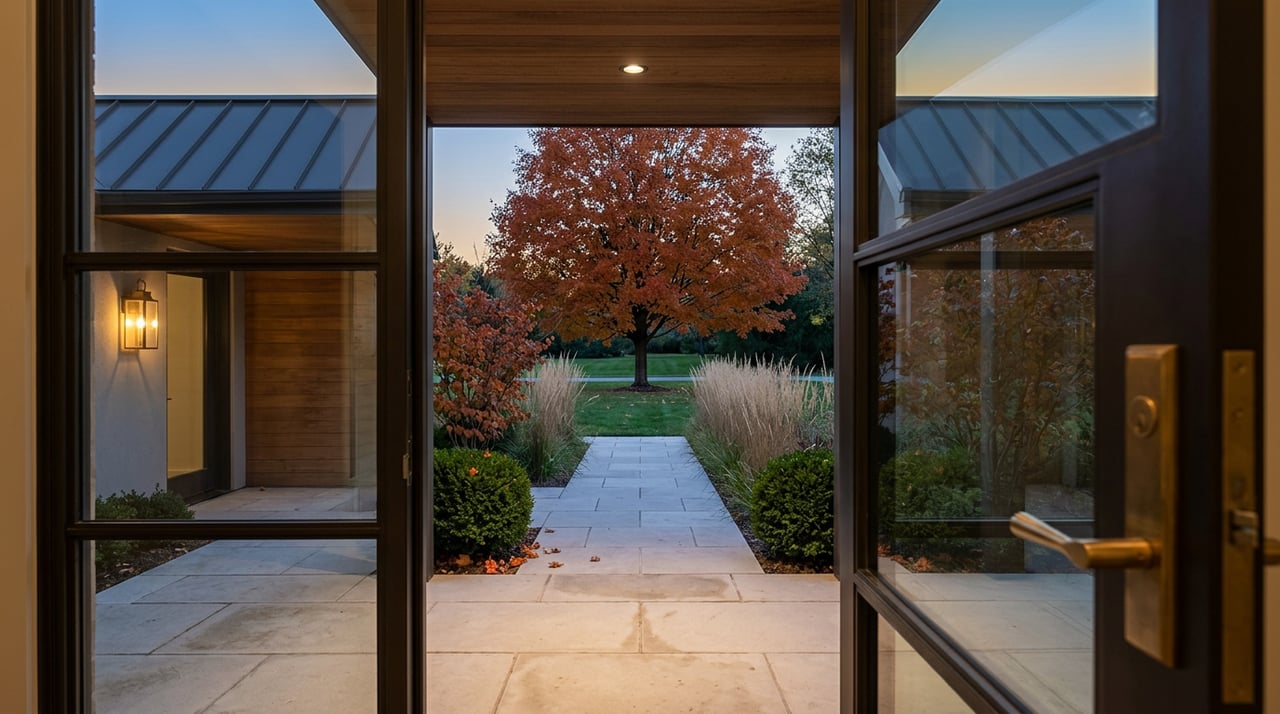
You do not need a major landscape overhaul to make a difference. Focus on neat pathways, trimmed plantings, a tidy entry, and a front exterior that feels clean and well cared for.
Quick curb appeal checklist
Use this short list before photos and showings:
- Sweep the porch and front walk
- Remove clutter from the yard
- Touch up obvious peeling paint where needed
- Trim overgrowth around the entry
- Clean the front door and visible glass
- Store hoses, bins, and loose outdoor items
These small details support the larger message that the home has been maintained with care.
Step 7: Build a showing routine
Once your home is live, convenience matters. Showing requests can come quickly, so it helps to create a repeatable reset routine instead of scrambling each time.
The NAR seller checklist for every showing recommends picking up toys and clothes, clearing counters, wiping surfaces, hiding valuables, securing firearms and prescription medication, clearing exterior pathways, opening window treatments, turning on lights, disabling the alarm, and taking pets with you. NAR also notes that many sellers can get into a showing-ready rhythm in less than an hour.
A practical pre-showing reset
For busy Parker households, keep the routine simple and repeatable:
- Make beds quickly
- Clear kitchen and bathroom counters
- Put away toys, shoes, and pet items
- Secure valuables, medications, and firearms
- Open blinds and turn on lights
- Take pets with you during the showing
A system like this can make the listing period feel much more manageable.
Step 8: Think about privacy and smart devices
If your home has cameras or other smart surveillance devices, review them before showings begin. Colorado’s Division of Real Estate notes that audio surveillance in a home requires consent of at least one participant unless the device is used with proper notice, and it says recording buyer-broker conversations without consent is inappropriate. The division also advises that video surveillance should be disclosed or prominently noticed, according to its guidance on audio and video surveillance in properties.
If this applies to your home, make a plan before showings start so you can protect privacy and avoid confusion.
Step 9: Coordinate pricing with preparation
Pricing should not be treated as a separate decision from your prep work. A home with completed repairs, organized disclosures, strong staging, and polished marketing enters the market in a very different position than a home that still feels unfinished.
That is especially important in a market like Parker, where local and regional data point to ongoing buyer activity. Preparation, pricing, photography, and launch timing should support each other so your home is market-ready before the first listing goes live.
A smoother sale starts before listing
Selling your Parker home is not about doing everything at once. It is about doing the right things in the right order. When you focus on repair triage, paperwork, presentation, photography, and a realistic showing plan, you put yourself in a stronger position from day one.
If you want a hands-on plan for getting your home ready in Parker, The Tack Group can help you coordinate the details, from presentation strategy to a smoother launch.
FAQs
What should I fix before listing a home in Parker?
- Focus first on safety issues, water intrusion, roof concerns, structural problems, and other items that could affect inspections or Colorado disclosures.
Is staging worth it when selling a Parker home?
- Often, yes. NAR’s 2025 report found that staging was linked to better buyer visualization, reduced time on market, and in some cases higher dollar offers.
How should I manage showings with kids and pets in Parker?
- Create a repeatable reset routine, clear counters and clutter quickly, secure valuables and medications, and plan to remove pets during showings.
What do Colorado sellers need to disclose when listing a home?
- Colorado’s seller disclosure form is based on your current actual knowledge and includes topics such as structural issues, moisture or water concerns, roof damage, hail or storm damage, HOA status, and metropolitan district status, with prompt written updates if new adverse material facts are discovered.