Thinking about moving to Castle Rock? You are not alone. This Douglas County town has become a popular choice for people who want more space, strong outdoor access, and a community that still feels distinct from the larger Denver metro. If you are weighing a move, it helps to know how Castle Rock actually functions day to day, from neighborhood setup to commuting and long-term ownership costs. Let’s dive in.
Why Castle Rock Draws New Residents
Castle Rock offers a mix that can be hard to find in one place. The town highlights its small-town character, historic Downtown core, and regular community events, even as it plans for continued growth while staying physically separate from the rest of the metro area.
That balance matters when you are relocating. You get a town with its own identity, not just a pass-through suburb along I-25. For many buyers, that sense of place is a big part of the appeal.
Castle Rock is also a sizable and established community. Census QuickFacts lists a 2025 population estimate of 83,815, a median household income of $145,197, a median owner-occupied home value of $652,900, and a mean travel time to work of 28.6 minutes.
What the Town Feels Like
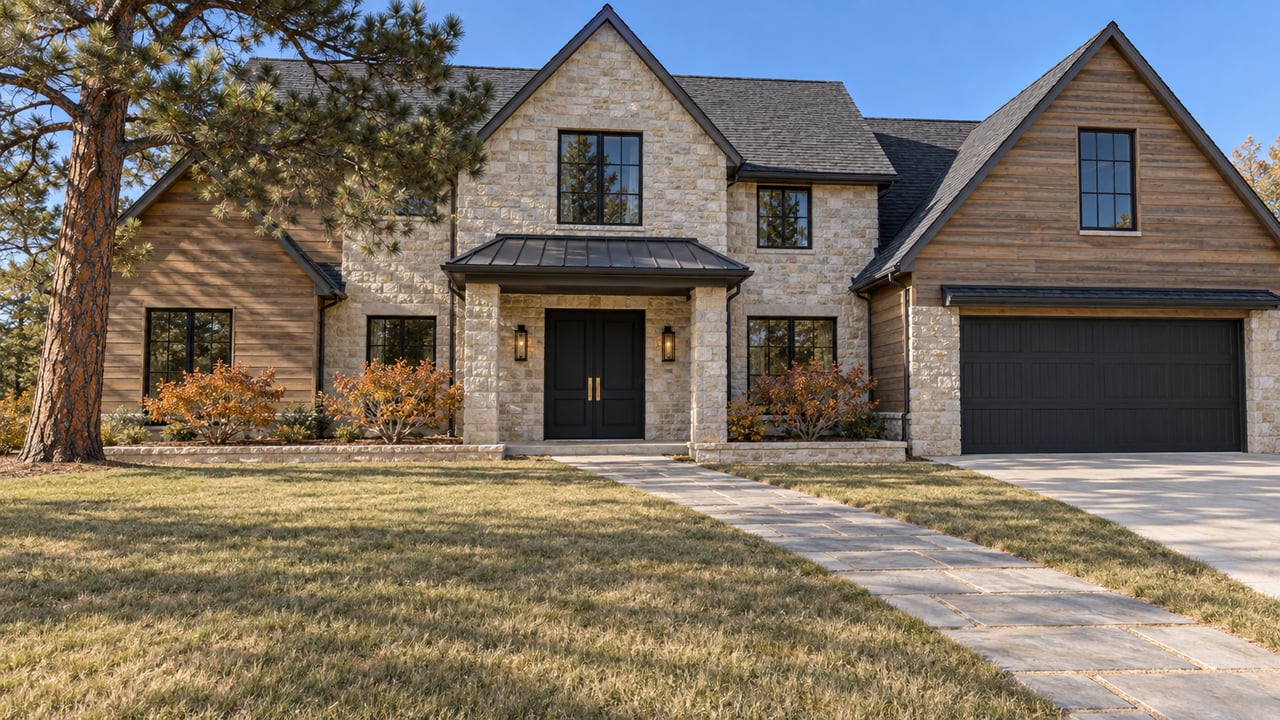
Castle Rock is not one-note. The town says it has more than 150 neighborhoods, ranging from homes that are more than 100 years old near the center of town to newer construction in a wide range of styles and settings.
That means your experience can vary a lot depending on where you land. Some areas feel historic and walkable to local businesses, while others feel more suburban, newer, and trail-connected.
Downtown Castle Rock
Downtown is the historic and civic heart of town. According to the town, this district grew from a cluster of shacks in the 1870s into a commerce center and now serves as a place for enjoyment and employment.
Historic buildings now house places like the town museum, Castle Café, Sclieppi's, The Barn shops, Wild Blue Yonder Brewing, and the Castle Rock Chamber and Visitors Center. Newer residential options have also been added in places such as Mercantile Commons, Riverwalk, and Encore.
Festival Park helps anchor the area with community events, and the namesake Castle Rock can be hiked for views over the historic district. If you want a more mixed-use setting with established character, Downtown stands out.
Newer Neighborhood Areas
Many of Castle Rock’s newer neighborhoods have a different feel. They tend to be more suburban in layout, with planned trail access, open space links, and neighborhood amenities that create a self-contained rhythm.
The Meadows is one of the clearest examples. The town says Native Legend Open Space runs through The Meadows and connects to Butterfield Park, Paintbrush Park, The Grange, Taft House, the Ridgeline trail system, and East Plum Creek Trail.
Red Hawk also fits this recreation-oriented pattern. The town notes that Ridgeline Open Space and Trails connects to a network of paved trails and open space through The Meadows and Red Hawk developments, and Red Hawk Ridge Golf Course is a town facility.
Northern parts of Castle Rock, including areas like Terrain, also reflect ongoing growth. Town references to trail links and pavement maintenance in northern neighborhoods point to a newer suburban pattern rather than a single older core.
Established Areas With More Layers
Some established neighborhoods come with added ownership details. Founders Village is a useful example because its metropolitan district notes shared responsibilities involving streetscaping, irrigation, fencing, and some trailhead and open-space functions alongside the town and HOA.
That does not make these neighborhoods less appealing. It simply means you should review how responsibilities and costs are divided before you buy.
Castle Rock Is a Full-Service Town
One practical advantage of Castle Rock is that it is a full-service municipality. The town says it provides police, fire, parks, recreation, roads, water, planning, and code enforcement.
The town also states that the average resident pays about $35 a year in town property tax. At the same time, Castle Rock makes clear that metro districts are separate taxing entities, and that total ownership costs can vary by subdivision even when homes are in the same town.
This is one of the most important things for new residents to understand. Two homes with similar prices may come with different ongoing costs depending on the neighborhood’s tax structure, district setup, and HOA framework.
Commuting and Getting Around
If you are moving from Denver or another more transit-connected area, expect Castle Rock to feel more car-dependent. The town’s planning documents say Castle Rock opted out of RTD in 2005, and fixed-route transit ended in 2011.
Today, public transportation options are limited. Current alternatives include the Taxi Voucher Program, a volunteer senior shuttle, Way to Go ride-matching, and Bustang South Line regional service via nearby Sky Ridge Station and Denver-area stops.
For most residents, daily life is still built around driving. The town also notes that CDOT owns the signals on State Highway 86, known as Founders Parkway, and on U.S. Highway 85, known as Meadows Parkway, while the town manages other signals inside town limits.
The Crystal Valley Interchange at I-25 and Crystal Valley Parkway is a top transportation priority for the town because it is intended to improve safety, mobility, and access in southern Castle Rock. That is especially relevant if you are considering south-side neighborhoods such as Crystal Valley Ranch.
Outdoor Access Is a Major Lifestyle Perk
One of Castle Rock’s strongest selling points is its outdoor infrastructure. The town says it directly manages 104 miles of trails, 25 parks, and more than 4,000 acres of open space.
Through partner collaboration, residents also have access to more than 130 miles of trails, more than 60 parks, and 6,900 acres of open space in town. If easy access to trails and open land matters to you, Castle Rock has real depth here.
Standout Parks and Trails
Philip S. Miller Park is the signature in-town recreation destination. The town describes it as a 300-acre park with the Miller Activity Complex, an amphitheater, Challenge Hill, an adventure playground, and an interconnected trail network.
East Plum Creek Trail is another key asset. The town says this 8.6-mile paved route links Castle View High School, Downtown, Festival Park, The Meadows, Montaine, and Crystal Valley, and that both recreational users and commuters use it.
That kind of connectivity shapes how Castle Rock lives on a daily basis. In many parts of town, trails are not just an extra. They are part of how neighborhoods connect.
Regional Open Space Nearby
Castle Rock also gives you quick access to larger open-space areas. Hidden Mesa preserves 1,294 acres of mesa, cliffs, grassland, and riparian habitat, while Lost Canyon Ranch is a 681-acre open-space property near Downtown that helps buffer Castlewood Canyon State Park.
Colorado Parks and Wildlife describes Castlewood Canyon State Park as a place for hiking, picnicking, rock climbing, sightseeing, photography, and nature study. For buyers who want outdoor variety close to home, that regional access adds real value.
What to Check Before You Buy
Relocating to Castle Rock is not just about picking a home you like. It is also about understanding how one neighborhood may work differently from another.
A smart comparison should include:
- Property taxes and whether a metro district applies
- HOA structure and what it covers
- Neighborhood-specific maintenance responsibilities
- Trail, park, and road access
- Commute patterns based on your likely route and schedule
- School boundary verification for the specific address
Douglas County School District says it serves more than 61,000 students, and Castle Rock has two high school feeder patterns: Castle View High School and Douglas County High School. The practical takeaway is simple. School boundaries should be confirmed by address, not assumed by neighborhood name.
How to Narrow Down the Right Area
If you are trying to choose between Downtown, an established subdivision, and a newer planned neighborhood, start with your daily routine. Think about how often you commute, how much you value trail access, and whether you want a historic setting or a more master-planned feel.
You should also look closely at total monthly ownership cost, not just purchase price. In Castle Rock, that means understanding the combination of mortgage, taxes, HOA dues, and any metro district impact.
For some buyers, Downtown’s character and mixed-use setting will win out. For others, neighborhoods like The Meadows, Red Hawk, Terrain, or Crystal Valley may make more sense because of trail systems, newer construction, and neighborhood layout.
A Practical Move for the Right Buyer
Castle Rock can be a great fit if you want a community with its own identity, broad outdoor access, and housing choices that range from historic to newer suburban. It is especially appealing if you are comfortable with a car-first lifestyle and want to be in a town that offers substantial local services and recreation.
The key is going in with clear expectations. When you compare neighborhood tax structures, district details, school boundaries, and commute realities up front, you can make a much more confident move.
If you are planning a move to Castle Rock and want help comparing neighborhoods, costs, and day-to-day fit, The Tack Group can guide you through the process with clear advice and hands-on local support.
FAQs
What is it like living in Castle Rock, Colorado?
- Castle Rock offers a mix of historic Downtown character and newer suburban neighborhoods, along with extensive trails, parks, open space, and a more car-first daily lifestyle.
Is Castle Rock a good choice for Denver-area commuters?
- It can be, but you should expect a road-focused commute since public transportation options are limited and commute times can vary by neighborhood and departure time.
What should buyers compare between Castle Rock neighborhoods?
- You should compare tax structure, metro district costs, HOA responsibilities, commute access, trail connectivity, and address-specific school boundaries before choosing a home.
Are all Castle Rock neighborhoods similar?
- No. Downtown feels more historic and mixed-use, while many newer areas such as The Meadows and Red Hawk feel more suburban, trail-connected, and master-planned.
Why do metro districts matter in Castle Rock?
- Metro districts are separate taxing entities, so they can affect your total cost of ownership even when two homes are located within the same town.
How much outdoor access does Castle Rock have?
- The town says it directly manages 104 miles of trails, 25 parks, and more than 4,000 acres of open space, with even broader access available through partner collaboration.