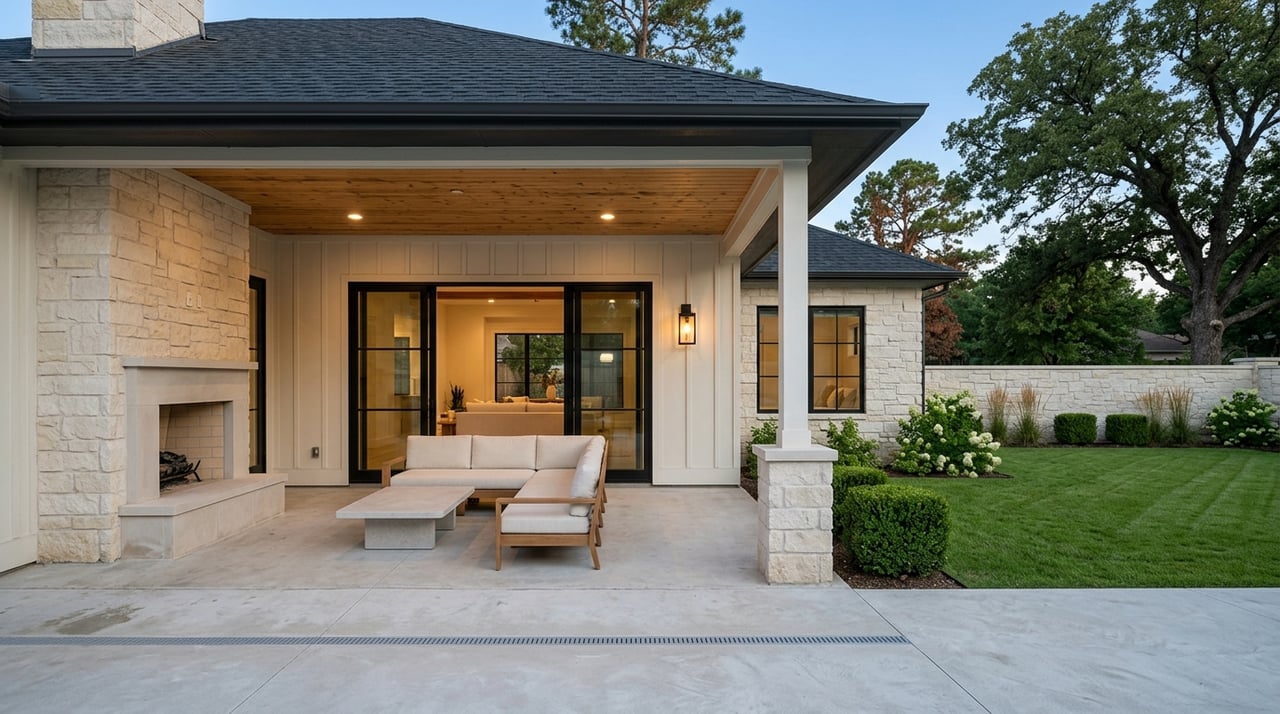
Selling a luxury home in Greenwood Village or Cherry Hills can look simple from the outside. In reality, today’s market rewards preparation, pricing discipline, and a smart plan for privacy. If you want to protect your time, attract serious buyers, and position your home to stand out, it helps to know what is working right now in these two high-end markets. Let’s dive in.
Luxury Market Conditions Matter
Luxury sellers in Greenwood Village and Cherry Hills are not stepping into the same market, even though both areas sit in south metro Denver. Each location has its own pace, price range, and buyer expectations. That means your strategy should be local and specific, not generic.
Greenwood Village combines residential areas with major business parks and a large daytime workforce. In March 2026, Realtor.com reported a median listing price of $1.70M, a median sold price of $1.45M, 78 active listings, and a 40-day median time on market. The city was labeled a balanced market, with homes selling at about asking on average.
Cherry Hills Village has a more residential, privacy-oriented identity, with open space, trails, and a semi-rural feel. Realtor.com’s March 2026 data showed a median listing price of $4.22M, 50 homes for sale, a 41-day median time on market, and a 94% sale-to-list ratio. It was labeled a seller’s market, but homes still sold about 5.6% below asking on average.
Pricing Needs a Micro-Market Lens
One of the biggest mistakes luxury sellers make is leaning too heavily on citywide averages. In Greenwood Village, pricing can vary sharply by area, with reported medians ranging from about $604,500 in The Corridor to roughly $3.15M in Preserve. That spread shows why your pricing strategy has to reflect your exact location, lot, condition, privacy, and finish level.
Cherry Hills Village sellers face a similar challenge from a different angle. The headline prices are much higher, but buyers are still comparing your home against recent sales and current competition. A premium address alone does not guarantee a premium result.
The broader Denver metro luxury market also supports a more careful approach. DMAR reported that homes above $1M were taking longer to sell in early 2026, and the $2M+ detached segment had 5.64 months of inventory. For you, that means pricing correctly from day one is often more powerful than chasing the market with later reductions.
Why First-Week Pricing Is So Important
The first days on market often shape the entire listing cycle. If your price and presentation match buyer expectations, you are more likely to draw strong early attention. If your home launches above what the market supports, buyers may hesitate and wait.
That matters even more in luxury real estate, where the buyer pool is smaller. A home can be beautiful and still sit if buyers feel the value is not aligned. In this segment, confidence comes from data, not from aspiration.
Presentation Is Part of the Product
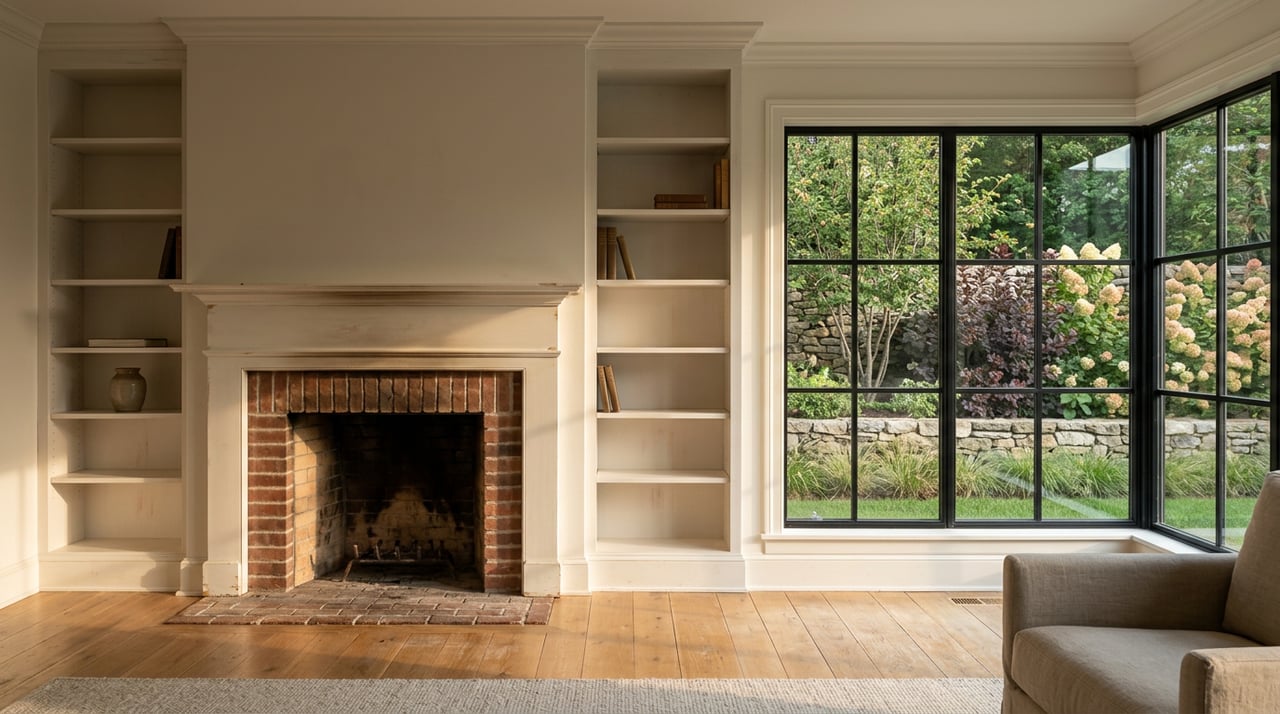
Luxury homes do not sell on square footage and finishes alone. Buyers are judging the full experience, from the first photo to the showing itself. In many cases, your presentation becomes part of how buyers measure value.
NAR’s 2025 Profile of Home Staging found that 83% of buyers’ agents said staging made it easier for buyers to visualize the property as a future home. The same report identified the living room, primary bedroom, and kitchen as the most important rooms to stage. It also found that buyers often expect homes to look as polished as the ones they see in media, and many are disappointed when they do not.
For a luxury listing, that makes staging more than a nice extra. It becomes part of your go-to-market strategy. At The Tack Group, that kind of preparation fits the team’s full-service approach, with an emphasis on staged presentation, vendor coordination, and hands-on marketing.
Focus on Turnkey Appeal
DMAR’s February 2026 report noted that competitively priced, turnkey homes in desirable locations were still receiving multiple offers. Homes that were overpriced or needed updates often took longer to sell. That is a useful reminder that buyers want a reason to act now, not a project to solve later.
Before listing, it helps to review deferred maintenance, small repairs, paint touch-ups, lighting, and overall flow. Even luxury buyers who plan to personalize a home still respond well to clean, polished, move-in-ready presentation. The easier your home feels to buy, the stronger your position can be.
Outdoor Spaces Carry Real Weight
Outdoor presentation matters in both communities, though for slightly different reasons. Cherry Hills Village is strongly associated with trails, open space, and a more private, semi-rural character. Greenwood Village also benefits from attractive landscaping and a well-maintained exterior, especially in neighborhoods where presentation signals ongoing care.
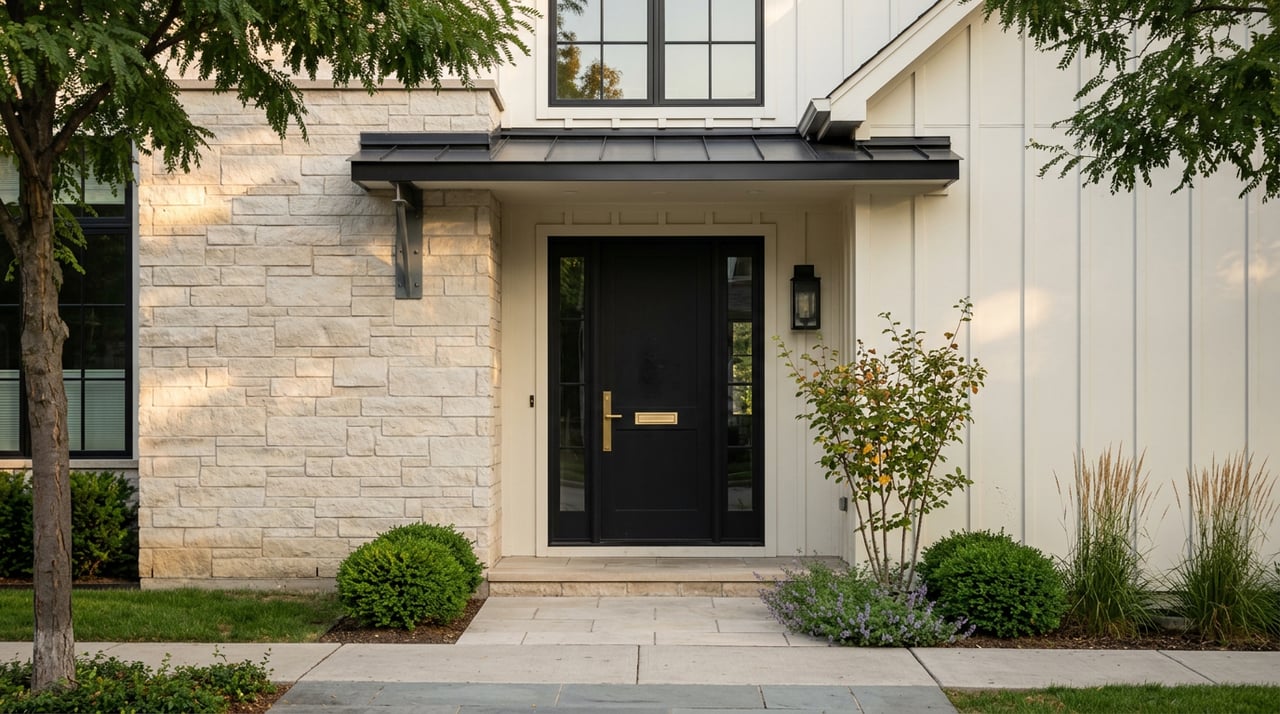
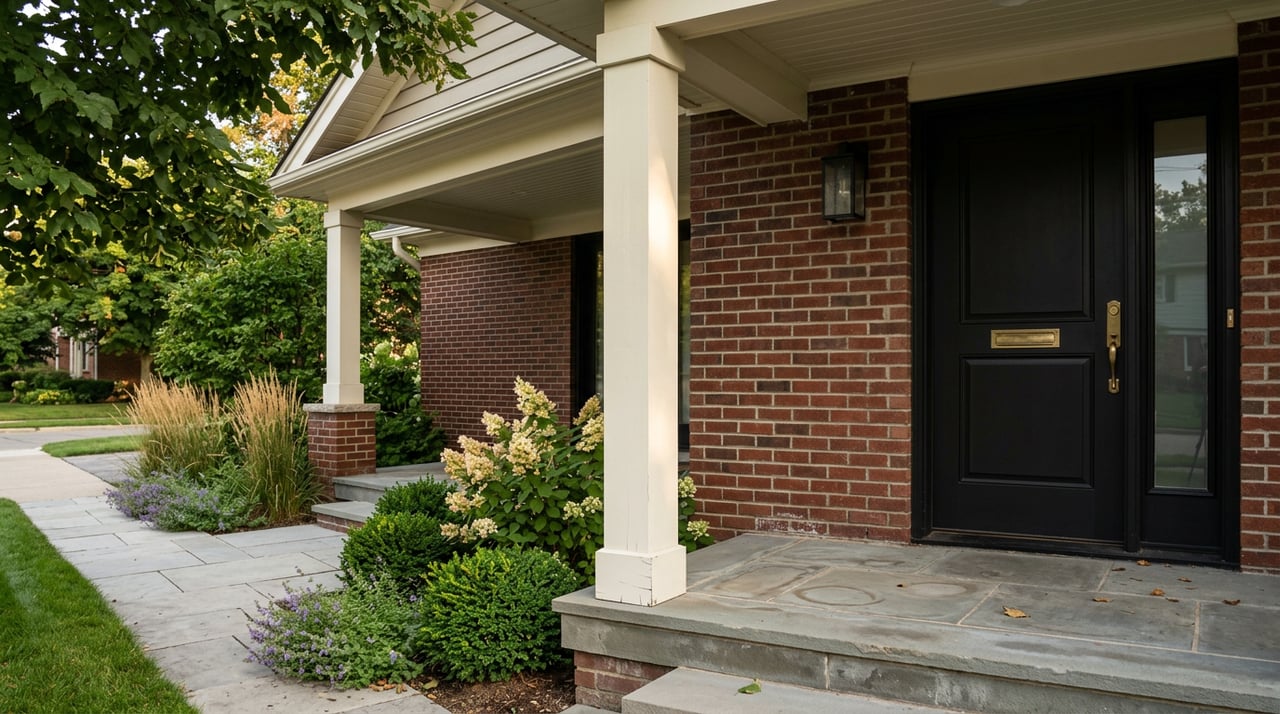
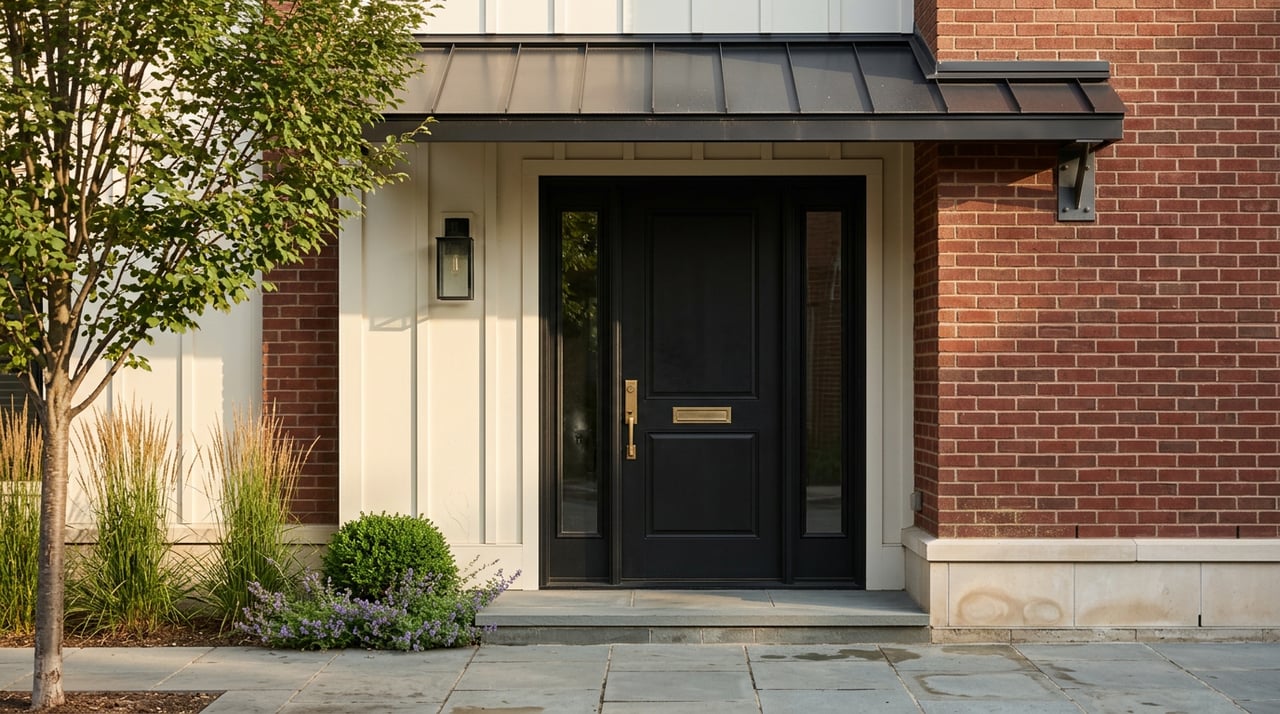
That means curb appeal should not be an afterthought. Driveways, entry sequences, hardscape, lawns, trees, and outdoor living areas all help shape the buyer’s first impression. In the luxury market, those first impressions often start before a showing is even booked.
Media Quality Drives Buyer Interest
Luxury buyers often decide whether a home is worth touring based on the digital presentation alone. If the photography feels flat or the video lacks polish, your listing may lose momentum before buyers ever step inside. Strong media is not decoration. It is part of the sales strategy.
NAR’s staging research found that photos, videos, physical staging, and virtual tours are all highly important in the marketing process. That supports investing in professional visuals that match the quality of the home itself. In this price range, the marketing should feel deliberate, refined, and complete.
The Tack Group’s affiliation with Coldwell Banker Global Luxury adds reach beyond a single local office. Coldwell Banker Global Luxury reports a network of about 100,000 affiliated sales associates in more than 2,600 offices worldwide. For sellers, that matters because a luxury buyer may come from outside your immediate market.
REcolorado also plays an important role in distribution. It describes itself as Colorado’s largest MLS and the state’s largest broker-to-broker network. For a luxury listing, coordinated media and broad listing exposure work together to increase the chances that the right buyer sees your home quickly.
Public Exposure and Private Sales Both Have a Place
Not every luxury seller wants the same level of visibility. Some want maximum market exposure and broad competition. Others care just as much about discretion, controlled access, and a quieter process.
Both approaches can work in this market. DMAR’s March 2026 report highlighted an off-market sale of 11 Cherry Hill Drive in Cherry Hills Village for $9.75M to a cash buyer. That does not mean every luxury home should be sold privately, but it does show that discreet exposure can be a valid tool when it matches the property and the seller’s goals.
Choosing the Right Exposure Strategy
If your priority is reaching the widest audience, a full-market launch supported by strong media and broker outreach may be the better fit. If privacy is central, a more controlled strategy may make sense. The right answer depends on your timeline, comfort level, and the type of buyer your home is most likely to attract.
This is where tailored guidance matters. A thoughtful plan should balance visibility, leverage, and discretion rather than assume one method works for every home.
Showings Should Protect Privacy and Safety
Luxury homes often include features that raise privacy concerns, such as artwork, specialty rooms, collections, family schedules, or visible valuables. If the home is occupied, access should be managed with care. A smooth process protects both your property and your peace of mind.
NAR’s safety guidance recommends securing valuables, firearms, prescription drugs, cash, credit cards, bills, family photos, and family schedules before showings. It also advises sellers to understand how prospects are screened and prequalified. For luxury listings, that kind of preparation is especially important.
NAR’s Safe Selling guide adds that open houses have a higher incidence of theft than private showings. That is one reason many luxury sellers prefer controlled appointments, sign-in procedures, and carefully managed access windows. A polished experience should also be a secure one.
Prepare Disclosures Before You Launch
A lower-stress sale usually starts before the listing goes live. In Colorado, the 2026 Seller’s Property Disclosure form asks about known issues involving the structure, roof, appliances, mechanical systems, flooding and drainage, zoning and legal matters, access and parking, environmental conditions, radon, homeowners associations, metro districts, and related reports or studies.
Gathering these materials early can help reduce surprises once a buyer is under contract. It can also make negotiations cleaner because you are not scrambling to answer questions late in the process. In luxury transactions, preparation often supports both speed and credibility.
If your home was built before 1978, federal law also requires disclosure of known information about lead-based paint and lead-based paint hazards before the sale of most housing. For older luxury homes, that can be especially relevant during due diligence. Having documentation ready supports a smoother path forward.
What Sellers Should Prioritize First
If you are getting ready to sell in Greenwood Village or Cherry Hills, start with the basics that shape buyer response the most. The goal is not just to list your home. The goal is to launch it well.
Here are the priorities that matter most:
- Review recent comparable sales in your immediate micro-market
- Assess condition and complete visible repairs before listing
- Stage key rooms, especially the living room, primary bedroom, and kitchen
- Invest in professional photography, video, and digital presentation
- Decide early whether broad public exposure or a more discreet approach fits your goals
- Secure personal items and create a controlled showing plan
- Organize Colorado disclosure information before going live
Luxury homes in Greenwood Village and Cherry Hills sell best when pricing, presentation, exposure, and privacy all work together. That is where a high-touch, well-coordinated process can make a real difference. If you are thinking about your next move, The Tack Group can help you build a smart plan from day one.
FAQs
How is the Greenwood Village luxury market different from Cherry Hills Village?
- Greenwood Village and Cherry Hills Village have different pricing ranges, market pace, and buyer expectations, so your selling strategy should be tailored to the exact community and micro-market.
What matters most when selling a luxury home in Greenwood Village?
- In Greenwood Village, accurate micro-market pricing, strong presentation, and polished marketing are especially important because citywide averages can mask major differences between neighborhoods.
Why does pricing matter so much for a Cherry Hills Village luxury home?
- Even in a higher-price seller’s market like Cherry Hills Village, homes have still sold below asking on average, which shows that pricing discipline remains important.
Should you stage a luxury home before listing it for sale?
- Yes, staging can help buyers better visualize the home, and research shows it is especially impactful in key spaces like the living room, primary bedroom, and kitchen.
Can a luxury home in Cherry Hills Village sell off-market?
- Yes, off-market sales can happen in the local luxury segment, but the right exposure strategy depends on your privacy needs, timeline, and the property itself.
What should you secure before luxury home showings in Colorado?
- Before showings, you should secure valuables, firearms, prescription drugs, financial items, personal schedules, and other sensitive belongings, especially in an occupied home.