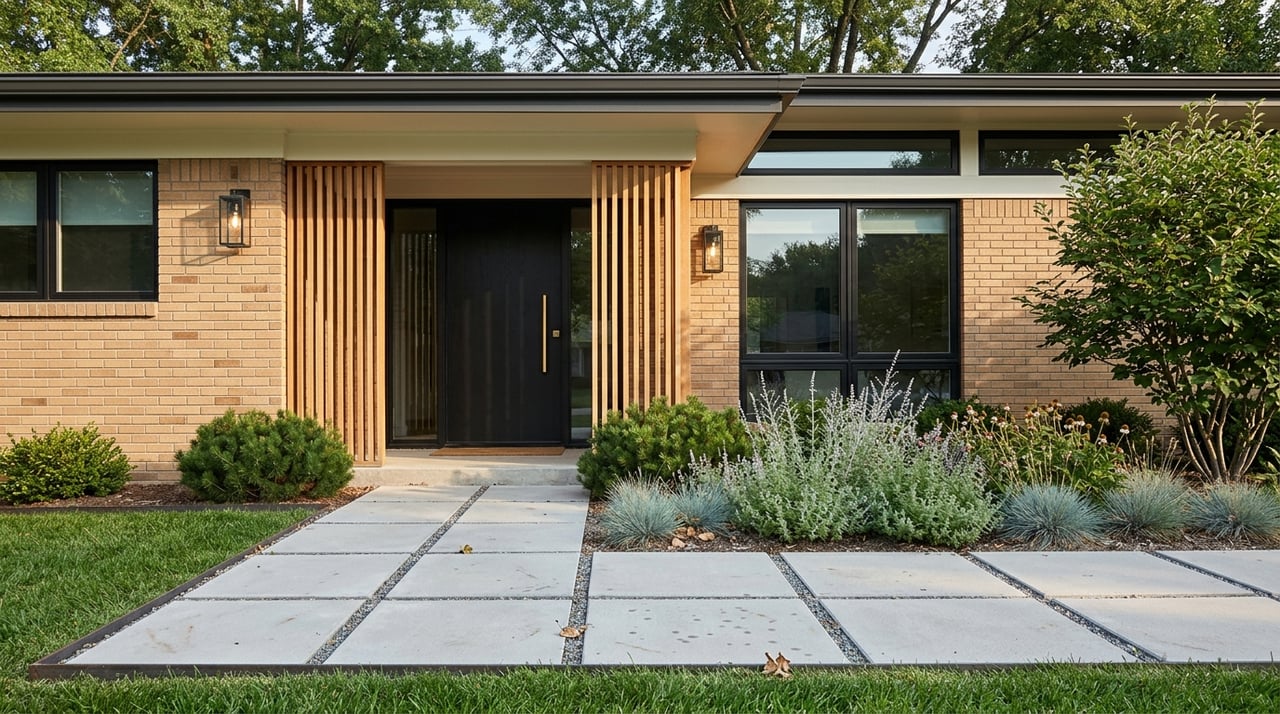
Wondering how much to change in a mid-century ranch without losing what makes it work? If you own a home in Southern Hills, that is a smart question. The neighborhood’s late-1950s and early-1960s homes have a clear architectural identity, and the best updates usually improve daily life while respecting the home’s original scale. If you are planning a remodel, this guide will help you focus on updates that fit the house, support resale, and avoid costly overreach. Let’s dive in.
Why Southern Hills homes deserve a tailored plan
Southern Hills is known for ranch-style homes, along with some two-story and tri-level properties. According to the neighborhood association, homes in the area share exterior styling, but no two floor plans are exactly alike.
That matters when you start planning updates. A remodel that works beautifully in one South Denver ranch may feel awkward in another. In Southern Hills, the smartest approach is to start with your specific layout instead of following a generic mid-century checklist.
Historic Denver describes this area as part of a postwar pattern of ranch houses with attached garages, low-pitched roofs, and curved, tree-lined streets. It also notes that Southern Hills remains one of Denver’s most intact mid-century housing developments. That gives your home a strong design starting point, which is something worth protecting.
Start with function, not trends
If you are updating before a future sale, it helps to keep the market in mind. REcolorado’s April 2026 Denver metro report shows a median closed price of $600,000, median days in MLS of 15, and about 12 weeks of inventory.
At the same time, NAR reports that 46% of buyers are less willing to compromise on home condition. In practical terms, that means buyers are paying attention to whether a home feels well cared for, easy to live in, and visually coherent.
That is good news if you own a mid-century home. You do not need to strip out every original feature or chase luxury finishes in every room. Clean, thoughtful updates often do more for livability and resale than expensive changes that fight the home’s original character.
Kitchen updates that fit a mid-century ranch
Open the layout selectively
Many mid-century ranch homes were designed with large communal spaces and a more open feel than older homes. In Southern Hills, that often makes selective opening between the kitchen, dining, and living areas feel more natural than creating one oversized great room.
If your kitchen feels closed off, a partial wall removal or improved sightline may do the job. The goal is to improve flow without erasing the horizontal, grounded feel that makes ranch homes work so well.
Choose a refresh over a full gut
A selective kitchen update is often the stronger value play. The 2024 Cost vs Value report puts a minor kitchen remodel at 96% cost recouped nationally, while a major midrange kitchen remodel drops to 50%.
That gap is hard to ignore. In many Southern Hills homes, better cabinet layout, updated counters, improved lighting, and new appliances can make the kitchen feel current without overbuilding for the neighborhood.
Keep scale in mind
Mid-century homes in South Denver were not designed around oversized islands, heavy detailing, or highly customized luxury finishes. A kitchen that feels simple, bright, and efficient often fits the house better than one packed with visual weight.
That does not mean your update has to feel plain. It means your choices should support the home’s original proportions instead of competing with them.
The updates that often pay off
Paint and finish work
Paint remains one of the safest pre-sale updates. NAR lists painting the entire home and painting one room among the top projects REALTORS most often recommend before selling.
That makes sense in Southern Hills, where many homes already have a restrained exterior and straightforward interior lines. Fresh paint and simple finish work can make the whole house feel cleaner, brighter, and more move-in ready.
Front elevation improvements
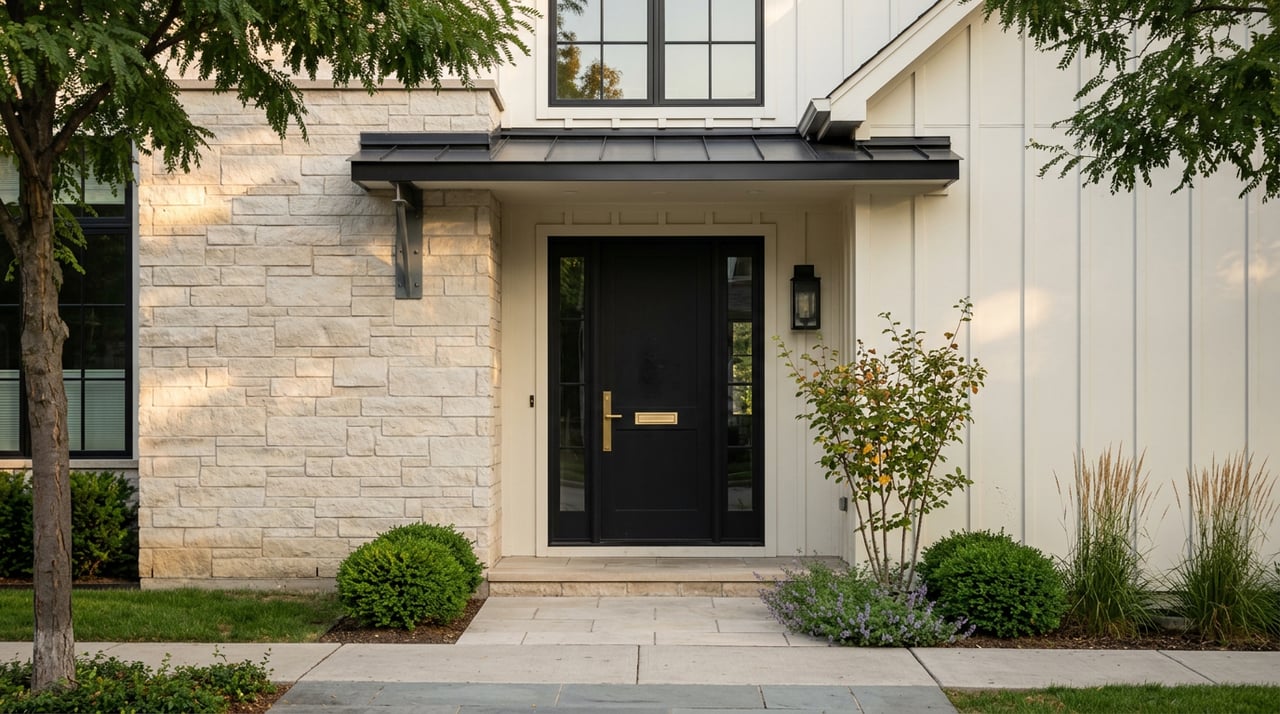
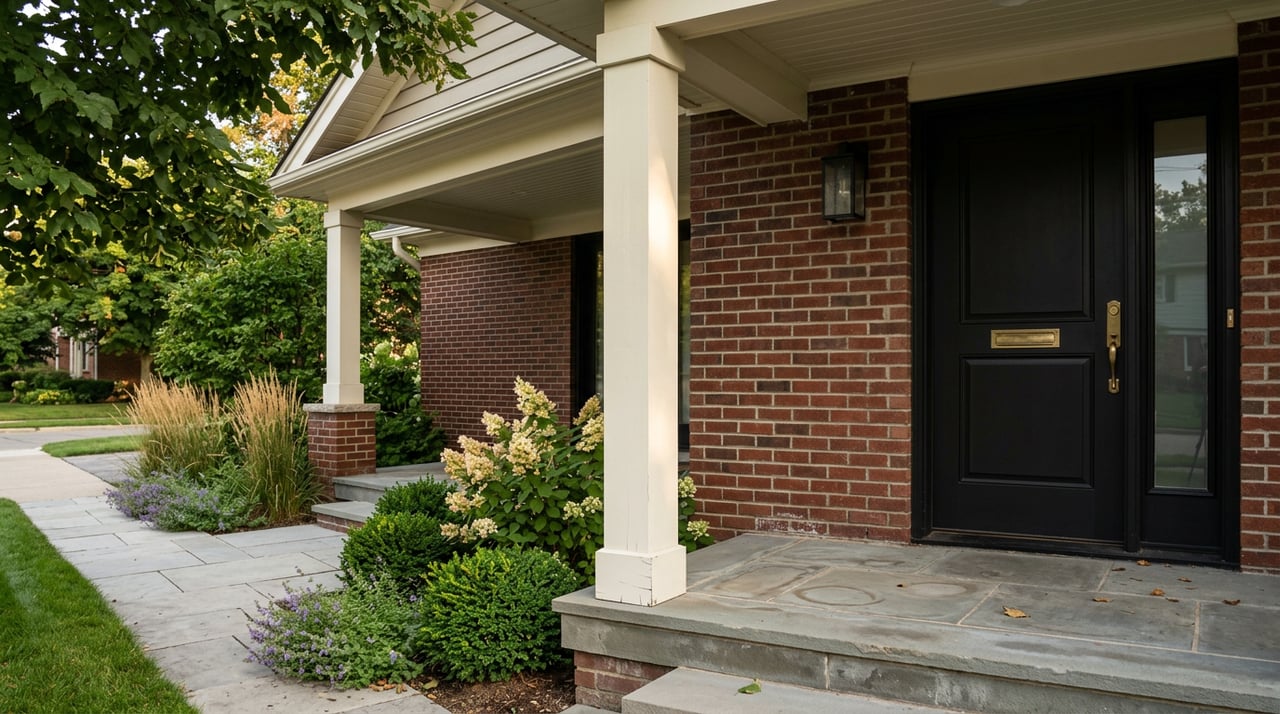
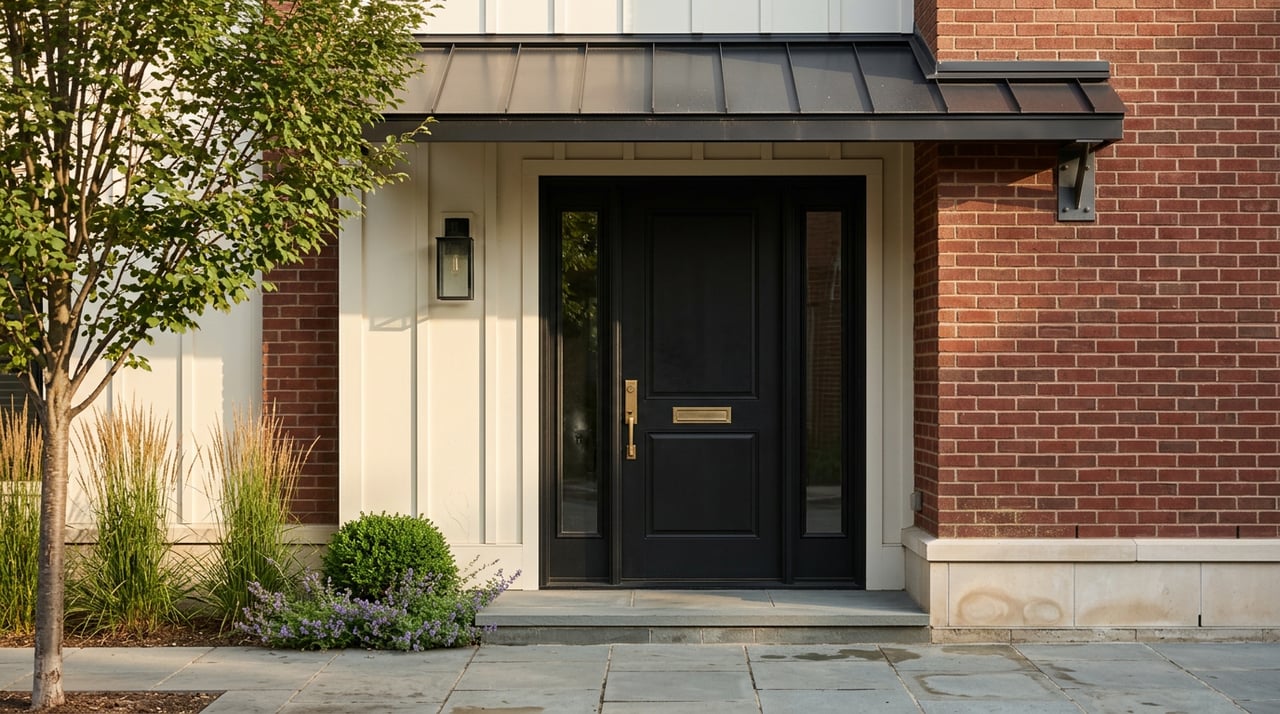
If you want to improve resale appeal, the front of the home deserves attention. The 2024 Cost vs Value report shows strong national recoup for garage door replacement at 194% and steel entry door replacement at 188%.
These are practical projects that can sharpen the home’s appearance without changing its footprint. In a ranch neighborhood, that kind of curb appeal improvement often does more than a dramatic addition.
Roofing as a smart maintenance move
Roof replacement is not the flashiest project, but it can be an important one. NAR lists new roofing among top seller recommendations, and the Cost vs Value report shows 57% national recoup for asphalt-shingle roof replacement.
Think of roofing as both a maintenance item and a presentation item. Buyers notice when major systems appear cared for, even if those updates are less visible than a kitchen or bath refresh.
Windows and exterior changes need a careful hand
Southern Hills homes often feature large picture windows and a strong horizontal rhythm. If your windows need replacement, keeping the original opening sizes and proportions where possible will usually preserve the home’s look better than breaking those openings into smaller, busier patterns.
From a resale standpoint, window replacement is helpful but not always the highest-return exterior project. The Cost vs Value report shows national recoup of 67% for vinyl windows and 63% for wood windows, which is solid but below some curb-appeal projects.
That means window decisions should be based first on condition, comfort, and performance. If your windows are drafty or failing, replacement may still make sense, especially as part of a bigger energy plan.
Energy upgrades should start with the shell
Older homes often have less insulation than newer ones. The U.S. Department of Energy recommends starting with a whole-house assessment, then focusing on air sealing and insulation before moving on to windows or equipment.
For a Southern Hills homeowner, that is a practical roadmap. If your home feels chilly in winter or uneven from room to room, start by tightening the building envelope before you spend heavily on mechanical upgrades.
Denver’s current code environment also matters. The city adopted the 2025 Building and Fire Codes in June 2025, and the energy code basis is the 2021 IECC. If you are planning insulation, HVAC, window, or electrical work, bring code coordination into the project early.
If you are considering heat pumps or broader electrification, DRCOG’s Power Ahead Colorado program is moving into energy advising and incentive support in 2026. Before you set your budget, it is worth confirming whether current incentives or rebates are available.
Where remodels can go too far
Large additions often overreach
Big additions are where many homeowners overspend. The 2024 Cost vs Value report shows primary suite additions recouping only 24% to 36% nationally, while bathroom additions recoup only 33% to 35%.
In a neighborhood of compact postwar ranch homes, that matters. Southern Hills tends to reward smart use of existing square footage more than a major expansion that changes the home’s original scale.
Luxury overhauls can fight the house
Full upscale remodels can also miss the mark. Major upscale kitchen remodels recoup 38% nationally, and upscale bath remodels recoup 45%.
Beyond return, there is also a design question. An oversized finish package can feel disconnected from a mid-century ranch that was built around simple lines and modest proportions.
Permits and reviews in Denver
Before you start opening walls or changing exterior materials, check permit requirements. Denver says most construction, alteration, and repair work requires permits, and that review process is used to confirm compliance with building code, fire code, zoning code, and related regulations.
For smaller residential jobs, Residential Express review can cover interior remodels up to 1,000 square feet and some minor structural work, including a beam addition or the removal of a load-bearing wall. Exterior remodel categories can include windows and doors, and quick permits may apply to trade work such as roofing, electrical, mechanical, and plumbing.
If your property is individually landmarked or located within a historic district, Denver Landmark Preservation reviews exterior changes that require a building or zoning permit, along with demolition. That does not mean every Southern Hills house falls into that category, but it does mean you should confirm your property status before changing windows, rooflines, or exterior materials.
How to prioritize your update plan
If you are not sure where to begin, focus on changes that improve how the home lives day to day while keeping the architecture recognizable. NAR reports that the most important remodeling result for owners is better functionality and livability, followed by durable materials and aesthetics.
For many Southern Hills homeowners, a practical order of operations looks like this:
- Address deferred maintenance first, especially roofing, windows in poor condition, and mechanical issues
- Improve comfort with air sealing, insulation, and energy planning
- Refresh paint, flooring, lighting, and simple finishes
- Update the kitchen and baths selectively for function and flow
- Invest in curb appeal projects that sharpen the front elevation
- Be cautious about large additions or high-cost luxury overhauls
That framework keeps your budget tied to the way buyers and homeowners actually use the home. It also helps preserve the qualities that make South Denver mid-century homes appealing in the first place.
When you are preparing to update for your own enjoyment or for a future sale, it helps to have a strategy grounded in the neighborhood, the house, and the current market. We help Denver homeowners think through presentation, vendor coordination, and resale choices so improvements support both livability and value. If you are weighing next steps for your Southern Hills home, connect with The Tack Group.
FAQs
Should you open the kitchen in a Southern Hills mid-century home?
- In many cases, a selective opening between the kitchen, dining, and living spaces fits the architecture better than creating one oversized great room.
What updates usually help resale in Southern Hills?
- Paint, simple finish work, selective kitchen improvements, front-elevation updates like garage or entry doors, and needed roofing work are often stronger choices than major luxury remodels.
Do large additions make sense for a mid-century ranch in South Denver?
- Large additions can be harder to justify because national cost-recovery data is weak, and the neighborhood’s original homes were designed around a more compact postwar scale.
Do you need permits for a remodel in Denver?
- In many cases, yes. Denver says most construction, alteration, and repair work requires permits, so it is smart to confirm requirements before starting interior or exterior changes.
Should you replace windows in a Southern Hills ranch home?
- If windows are failing or hurting comfort, replacement may make sense, but it is usually best to keep the original opening sizes and proportions where possible to preserve the home’s look.