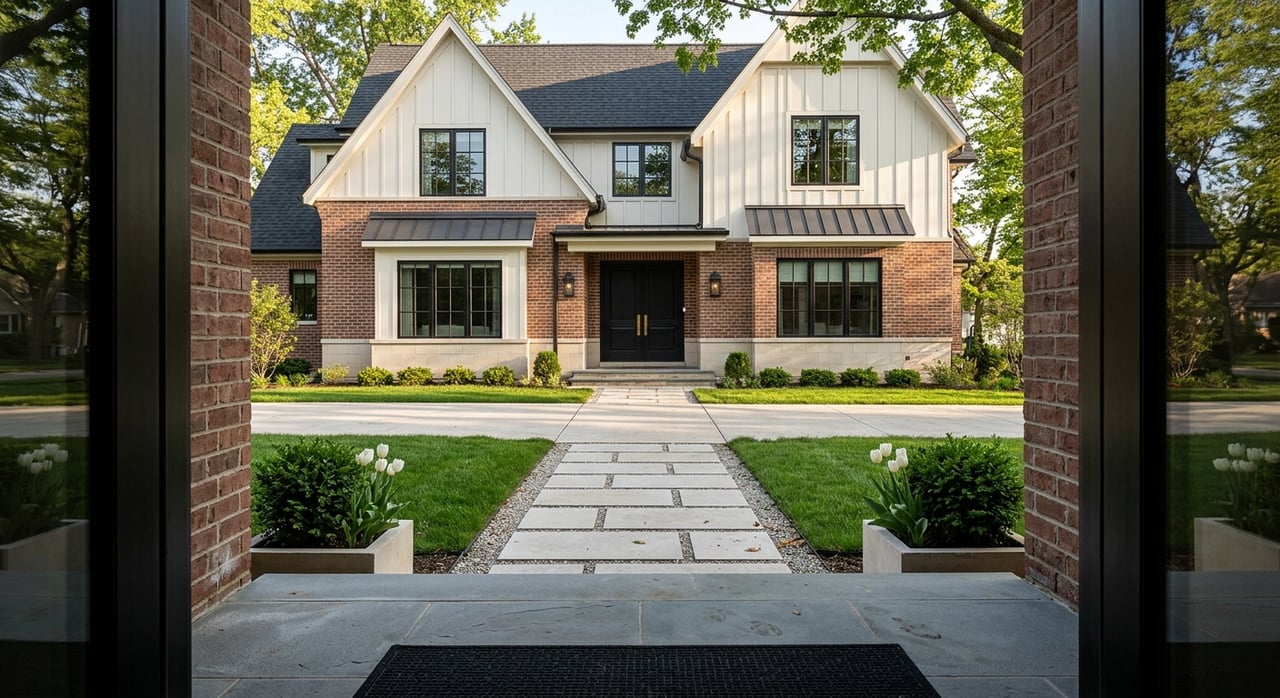
If you are trying to picture day-to-day life in central-east Denver, Congress Park and the East 7th Avenue Historic District offer two distinct versions of it. Both put you close to parks, established homes, and city conveniences, but they feel different once you start thinking about errands, outdoor time, and the look and rhythm of each block. If you are deciding where you might want to live, this guide will help you compare the everyday experience in each area. Let’s dive in.
Congress Park at a Glance
Congress Park sits within Denver’s East Central area and is generally bounded by York Street, Colfax Avenue, Colorado Boulevard, and Sixth Avenue. Its growth traces back to late-1800s Capitol Heights development along tramway lines on East Colfax, East 12th Avenue, and East Sixth Avenue. That early pattern still shapes the neighborhood today.
In practical terms, Congress Park often feels like a mix of quieter residential blocks and busier commercial edges. Interior streets tend to read more residential, while the northern and eastern edges carry more commercial activity. That balance is part of what gives the neighborhood its daily convenience.
East 7th Avenue Historic District at a Glance
The East 7th Avenue Historic District offers a more formal, parkway-centered setting. Denver Public Library describes it as Denver’s largest historic district, built mostly from the 1890s through 1930. It stretches two blocks wide for much of its length and is organized around the East 7th Avenue Parkway.
The district includes mansions, smaller homes, duplexes, and terraces on blocks tied together by the parkway and its landscape design. If you are drawn to preserved streetscapes, mature trees, and a more visually unified setting, this area stands apart. It feels less shaped by a retail corridor and more shaped by the parkway itself.
How Everyday Life Feels
Congress Park daily rhythm
Congress Park tends to support a more corridor-adjacent lifestyle. Because commercial activity is concentrated along edges like Colfax and 12th Avenue, everyday errands can feel close at hand while residential blocks remain more tucked away. That can make the neighborhood feel both active and livable.
The neighborhood’s development alongside historic tramway lines also helps explain its layout. Streets and uses were shaped by access and movement from the beginning. Today, that history still shows up in the way homes, apartment buildings, and commercial stretches fit together.
East 7th Avenue daily rhythm
The East 7th Avenue Historic District feels calmer and more parkway-driven. The East 7th Avenue Parkway runs about 1.4 miles and includes both formal and informal planting sections, with historic canopy features and later landscape additions still visible. That creates a strong sense of continuity as you move through the district.
For many buyers, the appeal here is the setting itself. The neighborhood experience is shaped by the parkway, tree canopy, and historic layout more than by a single shopping spine. If your idea of daily living includes scenic walks and a strong sense of historic character, that is a meaningful distinction.
Parks and Open Space Nearby
One of the biggest advantages of this part of Denver is access to major parks and green space. The city’s East Central plan identifies City Park as one of the area’s largest and most iconic parks, and it also notes that Congress Park is a fully programmed park with specific recreation uses and amenities. Cheesman Park is another major nearby open-space anchor.
This combination helps the area feel urban without feeling short on outdoor options. You are close to established residential streets, but also near large passive green spaces and destination parks. For many people, that is a big part of what makes everyday life here appealing.
City Park as a regional anchor
City Park plays an outsized role in the lifestyle of nearby neighborhoods. It is home to or directly connected with major cultural institutions, including the Denver Museum of Nature & Science and the Denver Zoo. In 2024, the museum and Denver Parks & Recreation also opened Nature Play, a four-acre outdoor experience in City Park.
That means your nearby park access is not limited to lawns and paths. You also get proximity to large-scale cultural and recreational destinations that shape how residents spend weekends, afternoons, and family time. Few areas combine neighborhood living with this kind of direct access so easily.
Congress Park and nearby green space
Congress Park benefits from its own programmed park while also sitting near larger destination parks. That creates flexibility in everyday routines. You can enjoy neighborhood-scale recreation and still stay connected to broader park systems nearby.
East 7th Avenue and parkway living
The East 7th Avenue Historic District is especially defined by the parkway system. Denver Public Library notes that the broader parkway network helps connect Cheesman Park, City Park, and Washington Park. That connection reinforces the district’s identity as a place where landscape design is central to the living experience.
Home Styles and Streetscape
Congress Park housing mix
Congress Park’s housing stock leans older and more compact. Denver Public Library describes a progression from Queen Anne and Victorian homes to Craftsman Denver Squares and 1920s bungalows, with many duplexes and apartment buildings mixed in. Historic Denver’s survey counted roughly 2,400 primary buildings in the study area.
That mix can appeal to buyers who want established architecture and a neighborhood with variety block to block. It also supports a more layered streetscape, where detached homes, multifamily buildings, and commercial edges all contribute to the area’s character.
East 7th Avenue housing mix
The East 7th Avenue Historic District feels more formal in its layout and visual identity. Larger homes were placed along the parkway, while smaller homes were generally built on north-south side streets. Even with that hierarchy, the district still includes a range of housing types, including mansions, duplexes, and terraces.
If you are comparing the two areas, this district offers a more unified historic setting. The parkway and tree canopy shape not just the look of individual homes, but the experience of the full streetscape.
Errands, Access, and Convenience
Congress Park’s commercial pattern is one of its defining traits. Denver Public Library notes that the neighborhood’s northern and eastern edges are decidedly commercial, and that East Colfax and East 12th Avenue still carry many of the area’s commercial buildings. That gives the neighborhood a practical convenience many buyers want.
At the same time, interior blocks can feel more removed from that activity. If you like the idea of living near businesses and major corridors without being directly in the middle of them, Congress Park may feel like a strong fit.
The East 7th Avenue Historic District is a different experience. Its identity is less about a concentrated retail spine and more about preserved residential form and parkway continuity. Buyers who prioritize streetscape, historic context, and a more residential visual rhythm may notice that difference right away.
Who Each Area May Suit
Congress Park may appeal to you if you want:
- A central neighborhood with a mix of residential streets and commercial edges
- Older homes with architectural variety
- Close access to parks, City Park institutions, and daily conveniences
- A setting that feels connected to major east Denver corridors
The East 7th Avenue Historic District may appeal to you if you want:
- A parkway-centered historic setting
- A strong tree canopy and preserved streetscape
- A neighborhood experience shaped more by landscape and architecture than retail activity
- A distinctive piece of Denver’s historic park-and-parkway identity
Why Local Guidance Matters
Even when two neighborhoods sit near each other, the day-to-day experience can be very different. In this part of Denver, that difference often comes down to street pattern, housing mix, park access, and whether your routine revolves more around corridors or around a parkway setting.
If you are buying or selling in central Denver, it helps to work with a team that can translate those details into practical advice. From comparing block-by-block feel to preparing a home for market with strong presentation, the right guidance can make your next move much clearer.
If you are thinking about a move in Congress Park, the East 7th Avenue Historic District, or another Denver neighborhood, The Tack Group can help you navigate the market with clear communication, local insight, and hands-on support.
FAQs
What is everyday life like in Congress Park, Denver?
- Congress Park blends quieter residential interior blocks with busier commercial edges along streets like Colfax Avenue and East 12th Avenue, while also offering access to parks and nearby cultural destinations.
What makes the East 7th Avenue Historic District unique in Denver?
- The East 7th Avenue Historic District is defined by its historic parkway layout, mature tree canopy, and mix of homes organized around the East 7th Avenue Parkway.
Are Congress Park and the East 7th Avenue Historic District close to City Park?
- Yes, both areas benefit from proximity to City Park, which is one of east Denver’s major open-space and cultural anchors.
What kinds of homes are common in Congress Park?
- Congress Park includes Queen Anne and Victorian homes, Craftsman Denver Squares, 1920s bungalows, duplexes, and apartment buildings.
Is the East 7th Avenue Historic District more residential than retail-oriented?
- Yes, its identity is more closely tied to its parkway, streetscape, and historic residential form than to a concentrated retail corridor.
How do I choose between Congress Park and the East 7th Avenue Historic District?
- A good starting point is to compare how you want daily life to feel, including your preferred streetscape, access to commercial corridors, and the type of historic setting you want around you.