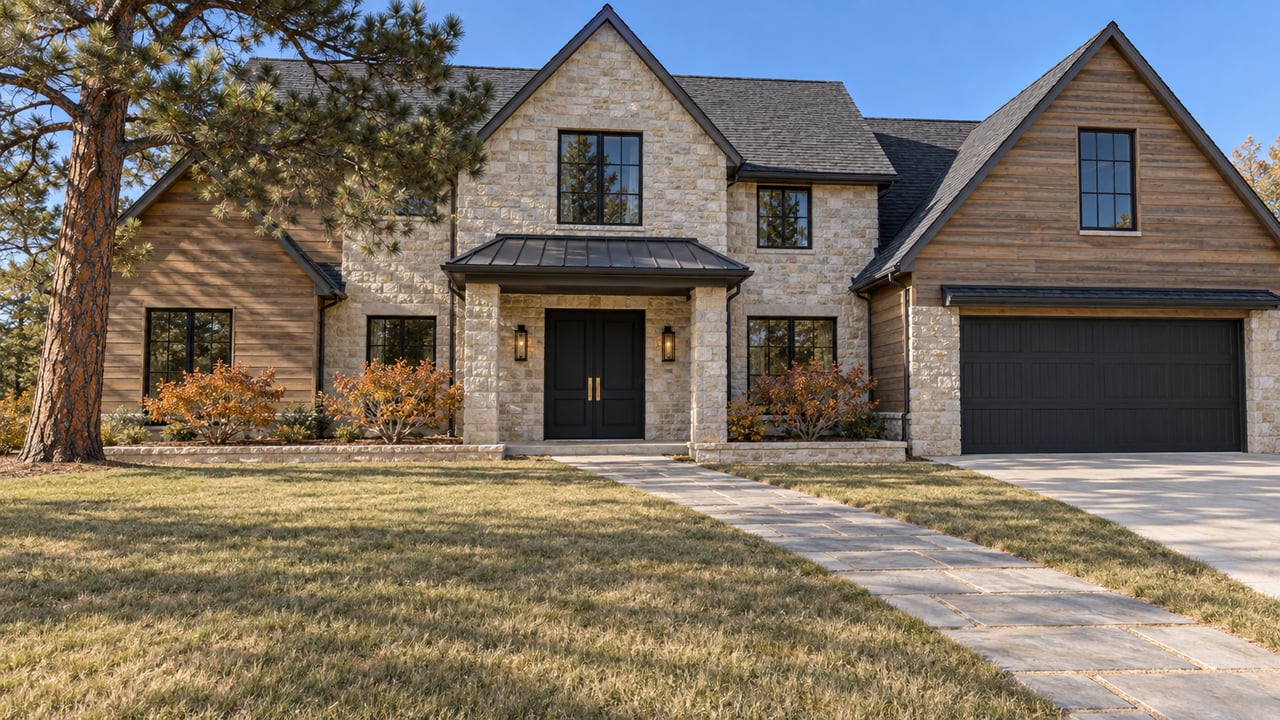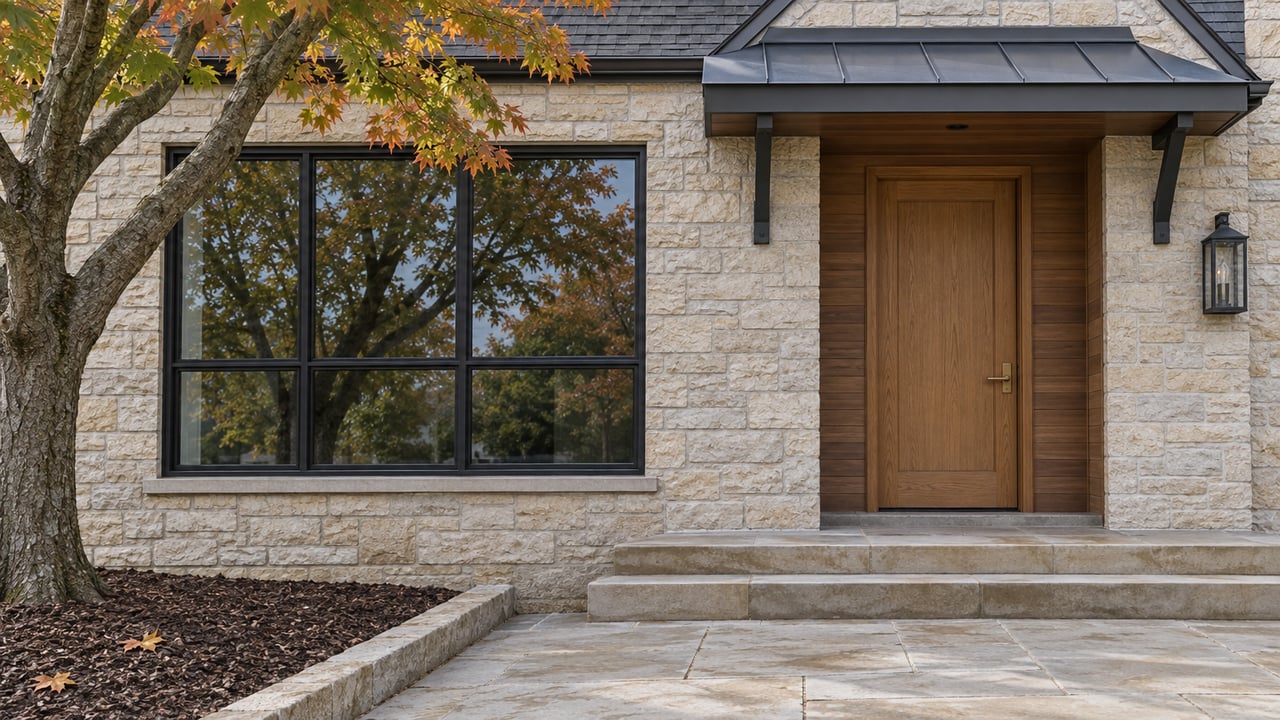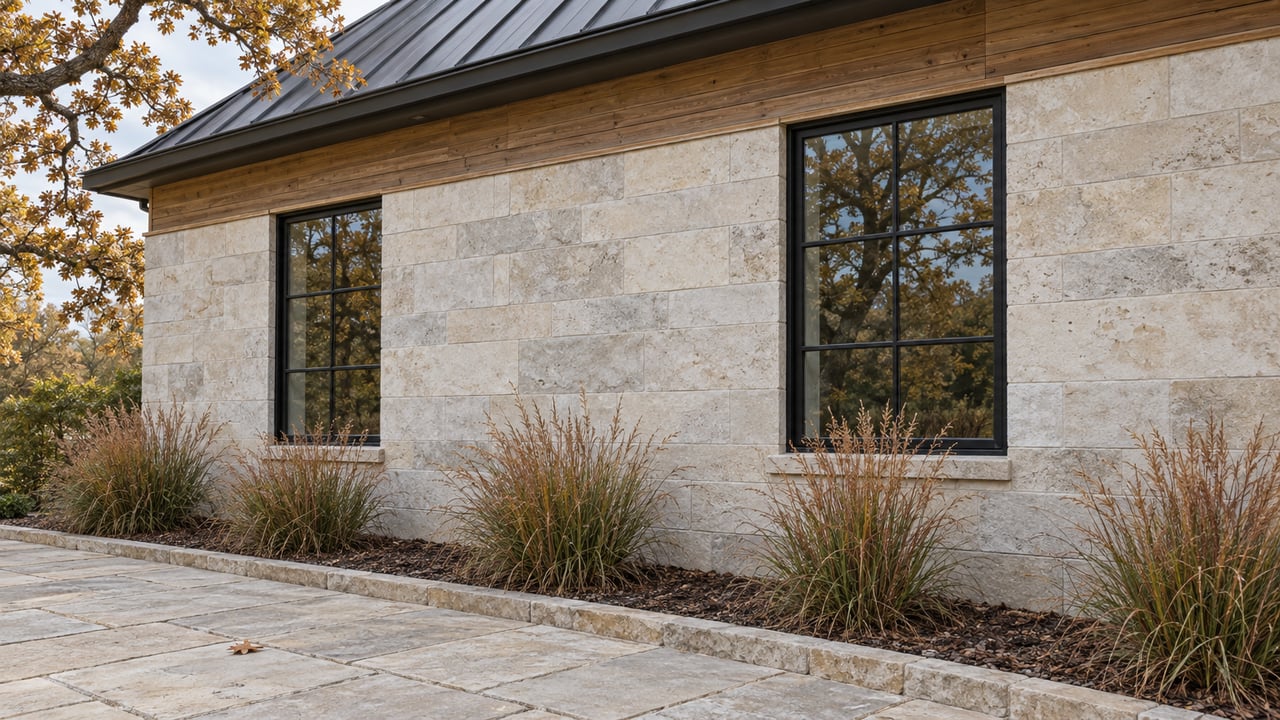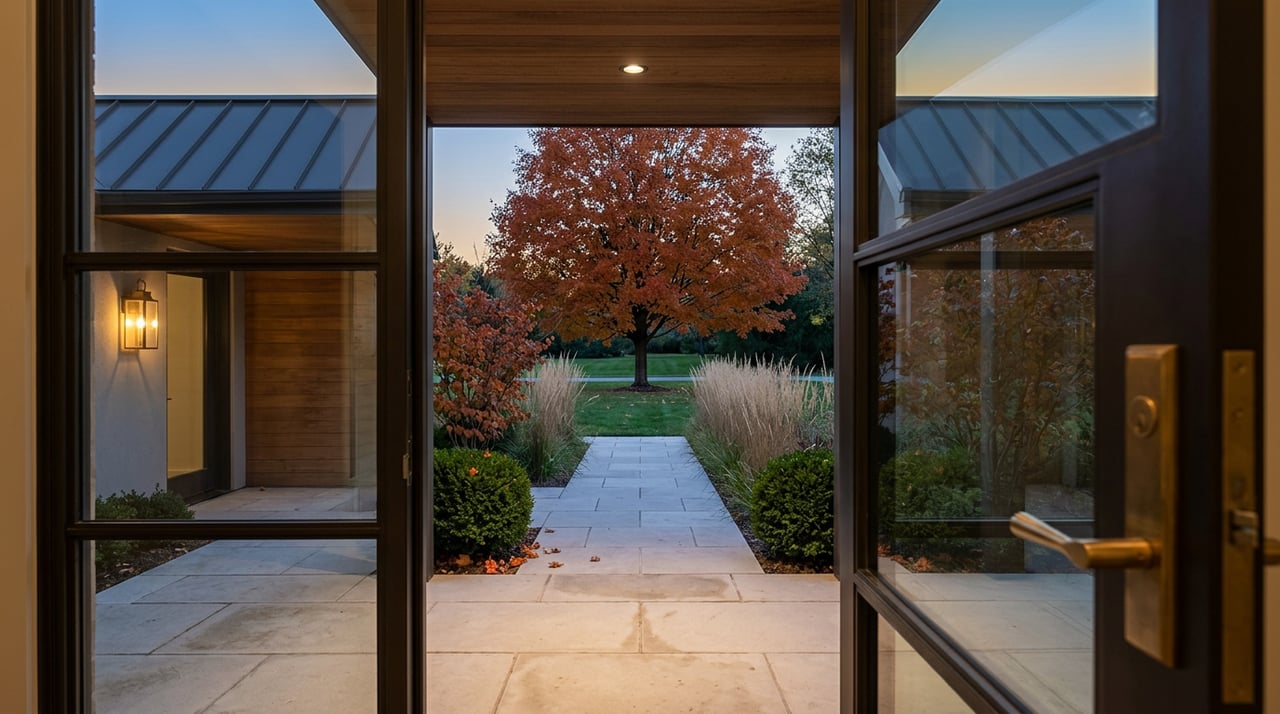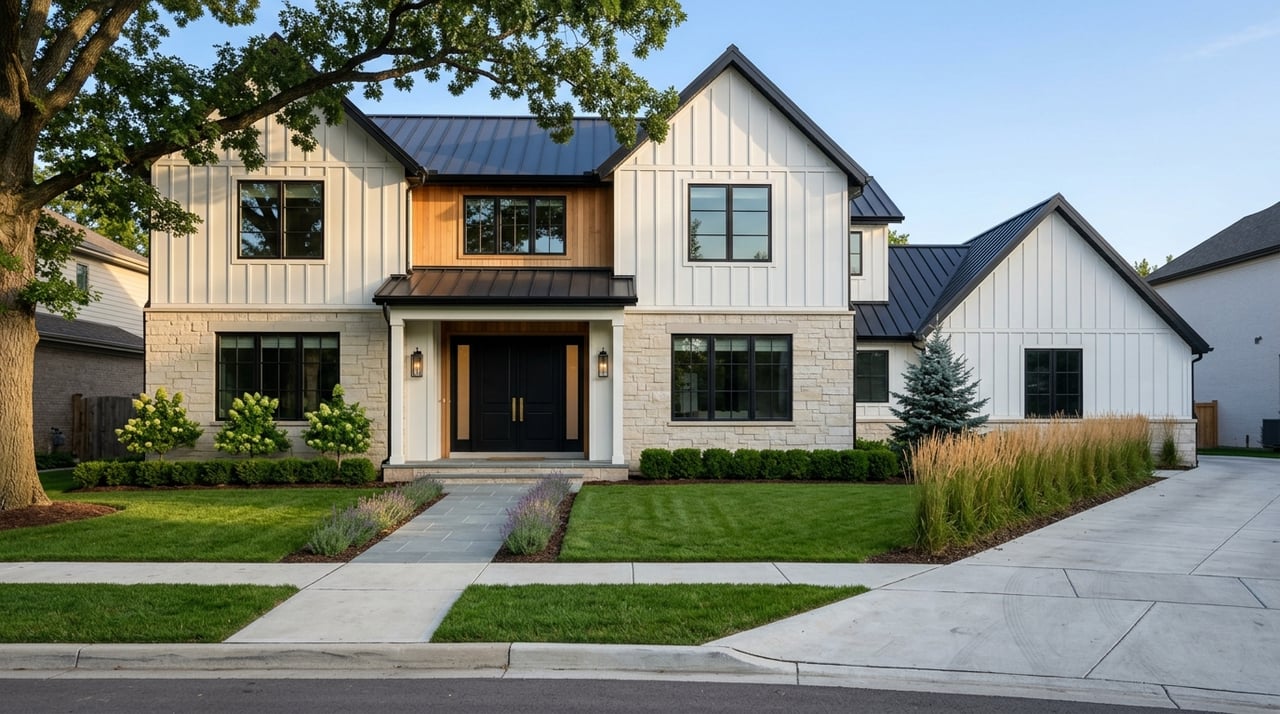
If you are shopping in Hilltop or Crestmoor, the house is only part of the story. In these neighborhoods, a lot can carry a huge share of the value, which is why two homes with similar square footage can trade very differently. When you understand how lot size, width, block position, and local rules affect value, you make sharper decisions as a buyer or seller. Let’s dive in.
Why lot value matters here
Hilltop and Crestmoor sit in one of Denver’s higher-priced east-central markets, so land quality matters more than many buyers expect. As of April 30, 2026, Zillow’s Hilltop home-value index was $1.54 million, while Redfin reported a $1.85 million median sale price in Hilltop over the prior three months. Realtor.com showed a $3.595 million median listing price in Crestmoor Park with only 9 active listings.
Those figures use different methods, so they are best used as directional signals, not exact apples-to-apples comparisons. Still, they point to the same takeaway: in Hilltop and Crestmoor, buyers often pay a premium for the parcel itself, not just the finishes inside the home. That makes lot quality, block quality, and future buildability central to value.
Denver’s broader market also adds context. DMAR reported 8,228 active listings in January 2026 and an average close-to-list ratio of 97.94% after roughly three years of flat performance across the metro. In a market where buyers have more options, the best lots still stand out, while weaker lots tend to be exposed more quickly.
Hilltop lot value basics
Hilltop has a very local development pattern that still shapes value today. According to the Hilltop Neighborhood Association, the neighborhood was shaped by the City Lateral Canal, older streetcar lines, and two original subdivisions that were mapped separately. That history helps explain why some blocks feel more orderly and desirable than others.
The association defines Hilltop’s boundaries as Colorado Boulevard on the west, Alameda Avenue on the south, Holly Street on the east, and 8th Avenue on the north. Within those boundaries, block-by-block differences matter. A lot on one street can feel very different from a similarly sized lot just a few blocks away because of traffic flow, street layout, and overall setting.
One of the biggest factors in Hilltop is the Hilltop Heritage Conservation Overlay District, known as CO-1. Denver states that zone lots in the overlay that existed on July 21, 2000 may be amended or subdivided only if each resulting lot is at least 75 feet wide at the street setback line and at least 9,300 square feet. That means width is not a minor detail here. It can directly affect whether a property offers meaningful redevelopment or subdivision potential.
Crestmoor lot value basics
Crestmoor has a different value story. In Crestmoor Filing One, the design guidelines say the platted lots are about 7,500 square feet, many are irregular in shape, and the neighborhood has wide front and side-street setbacks. So even when two lots show similar square footage on paper, they may not function the same way in real life.
Shape and geometry matter a lot in Crestmoor. A cleaner lot layout can make it easier to place a driveway, position a garage, preserve usable yard space, and create a better street-facing design. An irregular parcel may still be valuable, but it can be less flexible than a better-proportioned lot nearby.
Crestmoor Filing One is also governed by CC&Rs and an Architectural Control Committee, and its rules can be more restrictive than city zoning. That means value is not just about how big the parcel is. It is also about how well the lot fits the neighborhood’s private review standards and what can realistically be approved there.
Lot width matters as much as size
Many buyers start with total square footage, but width is often just as important. Denver’s Assessor’s Office notes that property records include lot size and zoning, and those are basic building blocks for evaluating value. In practice, a wide lot often offers better design options, easier massing, and fewer awkward compromises.
In Hilltop, width can be especially important because of the CO-1 overlay standards. If a buyer is thinking long term about remodeling, expanding, or redeveloping, frontage can carry real value beyond the raw lot size. A lot that checks the width box may offer more optionality than a larger but less usable site.
In Crestmoor, width works together with shape. Since many lots are irregular and setbacks are generous, a parcel with cleaner frontage and simpler geometry may support a more functional layout. That can make two similarly sized lots perform very differently in the market.
Orientation and access change usability
Lot value is also shaped by how the site actually lives day to day. Orientation can affect sunlight, privacy, yard use, driveway placement, and how much of the parcel remains practical after setbacks are applied. That is why buyers should look beyond a basic aerial view.
Denver zoning defines corner lots by identifying primary-street, side-street, and rear zone lot lines. On oblong blocks, the long side is generally the primary street line unless an exception applies. So for a corner lot, the key issue is often not compass direction alone, but how frontage is classified and how that changes setbacks and buildable area.
Crestmoor Filing One makes access especially important because there are no alleys. The design guidelines state that garages are accessed from the street and are either attached on the side of the house or detached at the rear of the lot. A lot with cleaner driveway planning and fewer awkward angles is often more functional and more valuable than a lot with the same square footage but tougher access.
In Hilltop, alley access can also shift value. The Hilltop Neighborhood Association points owners to Denver plat maps to confirm whether a block includes an alley and to review street right-of-way dimensions. Alley access can affect garage location, front-yard experience, and how open or utility-driven the parcel feels.
Block quality can move price
Not all streets carry the same appeal, even inside a prestigious neighborhood. Interior blocks, quieter residential streets, and park-adjacent settings often feel different from lots near busier corridors or heavier cut-through traffic. Those differences may not show up clearly in a simple online search, but they can affect demand and pricing.
Hilltop’s irregular street pattern makes this especially important. Because the area was platted in a less uniform way, some blocks feel more sheltered and residential than others. Buyers often respond to that block context, even when the homes themselves look similar on paper.
Crestmoor’s design guidelines also reinforce the importance of the block face. The neighborhood evaluates design compatibility in relation to surrounding homes and the street setting, not just the individual parcel. In practical terms, the street context becomes part of the lot’s value.
The home’s condition still matters
Even in a lot-driven market, the structure on the property still affects price. The Denver Assessor says residential values are based on sales of similar homes, and owners protesting value are told to provide comparable sales or condition issues. That reflects a basic truth in Hilltop and Crestmoor: buyers are weighing both the land and the current home.
A well-kept older home can preserve more of the lot premium because it offers immediate usability without forcing a buyer into major work. On the other hand, deferred maintenance can shift the conversation toward land value, renovation cost, and risk. That is why two homes on similar parcels can still command different prices.
For sellers, this means pricing often works best when you separate the property into two parts. First, what is the existing house worth as it stands today? Second, what is the lot worth to the next owner based on location, geometry, and future options?
Teardown risk is part of value
If a buyer is viewing a property mainly as a teardown or major remodel opportunity, the review process matters. Denver states that full or partial demolition of a structure requires a permit, and Landmark Preservation staff review total demolitions of primary structures citywide to determine whether the building may have landmark potential. In some cases, that can create extra review, delay, or uncertainty.
That is especially important in Hilltop, where there is a conservation overlay district in addition to base zoning. Denver explains that conservation overlays exist to preserve areas with distinctive character and can impose more detailed standards on vacant or underused lots. In other words, a parcel’s value is tied not just to land area, but to what can actually be approved and built.
For buyers, that means the smartest question is often not “Can I tear this down?” but “What is my realistic timeline, approval path, and end result here?” For sellers, understanding those constraints helps you position the property more accurately and avoid overpromising redevelopment potential.
How buyers can compare lots smarter
If you are comparing Hilltop or Crestmoor properties, look at the parcel as carefully as you look at the kitchen or primary suite. Cosmetic updates can be changed, but lot limitations usually stay with the property. The best comparisons focus on long-term usability and flexibility.
A strong lot in these neighborhoods often has:
- enough width to support a practical remodel or new build
- a shape that allows a functional floor plan and garage placement
- a street position that feels quieter and more residential
- clear potential under zoning, overlays, and any applicable neighborhood covenants
- an existing structure whose condition does not erase the underlying land value
This kind of analysis is especially useful for move-up buyers deciding between a renovated older home and a newer build. The better question is often which parcel gives you the best long-term optionality for the price.
How sellers should think about lot premium
If you are selling in Hilltop or Crestmoor, lot value should be part of the pricing strategy from day one. Buyers in this range often look beyond finishes and ask deeper questions about width, setbacks, access, block quality, and future possibilities. When those features are real strengths, they should be identified clearly and marketed thoughtfully.
That does not mean every property should be pitched as a redevelopment play. It means the pricing and presentation should reflect what the parcel truly offers. A high-touch listing strategy, strong visual marketing, and clear communication about the property’s strengths can help buyers see the full picture.
In neighborhoods where the land carries meaningful value, details matter. The right strategy starts with understanding whether buyers will see your home mainly as a move-in-ready residence, a remodel opportunity, or a parcel with unusual long-term potential.
If you want help evaluating a Hilltop or Crestmoor property through both a home-value and lot-value lens, The Tack Group can help you make sense of the details and build a smart plan.
FAQs
What makes lot value so important in Hilltop Denver?
- Hilltop pricing is influenced by more than interior square footage because block quality, lot width, street pattern, and the CO-1 conservation overlay can all affect usability and redevelopment potential.
How does lot width affect value in Hilltop?
- In Hilltop’s CO-1 overlay, certain lot amendments or subdivisions require each resulting lot to be at least 75 feet wide at the street setback line and at least 9,300 square feet, so width can directly affect future options.
Why do Crestmoor lots with similar size sell differently?
- Crestmoor Filing One includes irregular lot shapes, wide setbacks, no alleys, and private design review, so two lots with similar square footage can offer very different functionality and approval paths.
Do corner lots in Denver always have more value?
- Not always, because value depends on how the primary-street, side-street, and rear lot lines are classified, how setbacks apply, and how the lot’s access and layout affect buildable space.
Does home condition still matter when lot value is high?
- Yes, because buyers still consider the current house, comparable sales, and the cost or hassle of repairs, renovation, or demolition when deciding what the property is worth.
What should Hilltop or Crestmoor sellers highlight about their lot?
- Sellers should focus on width, shape, access, alley or street garage options, block location, and any clear advantages related to zoning, overlays, or neighborhood rules.