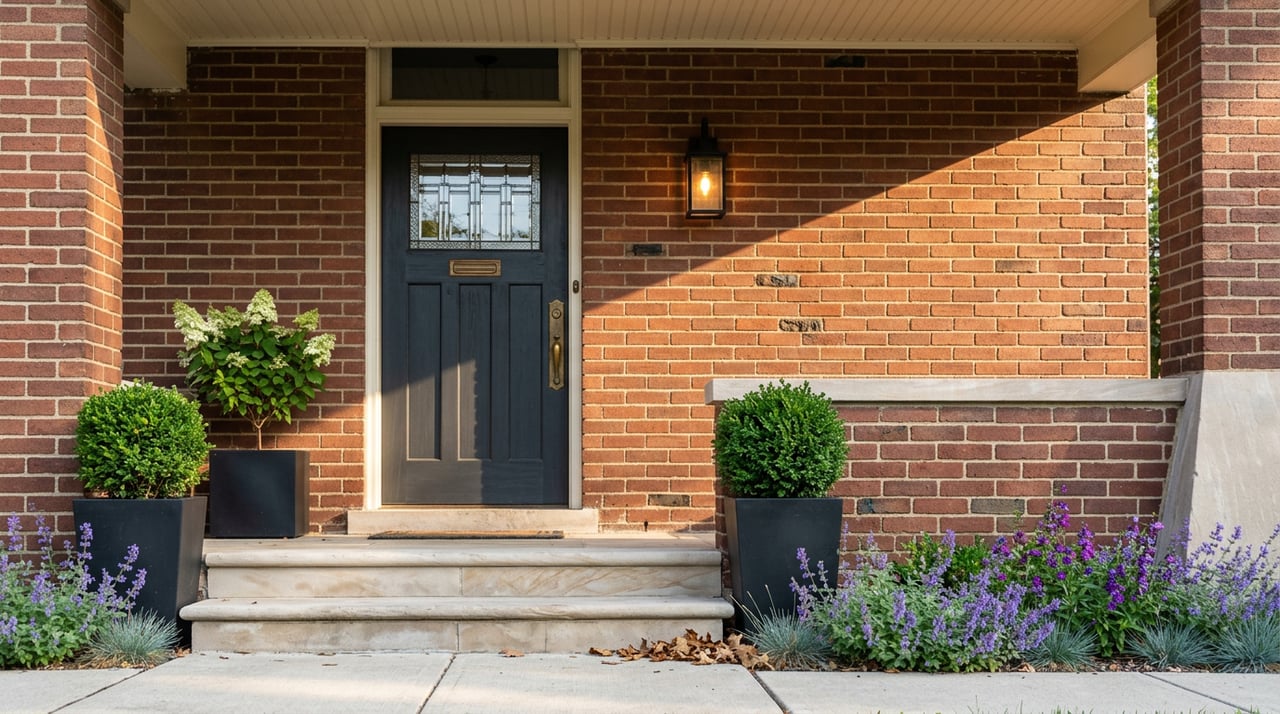
Tree-lined parkways, sunlit porches, and handcrafted details pull you in. If you’re drawn to the charm of Congress Park, Park Hill, or the East 7th Avenue Historic District, you’re not alone. Historic homes offer warmth and character you can’t replicate, but they also come with unique rules, inspections, and maintenance. In this guide, you’ll learn how to spot lasting value, understand Denver’s historic review process, order the right inspections, plan financing, and protect your investment. Let’s dive in.
Why these neighborhoods attract buyers
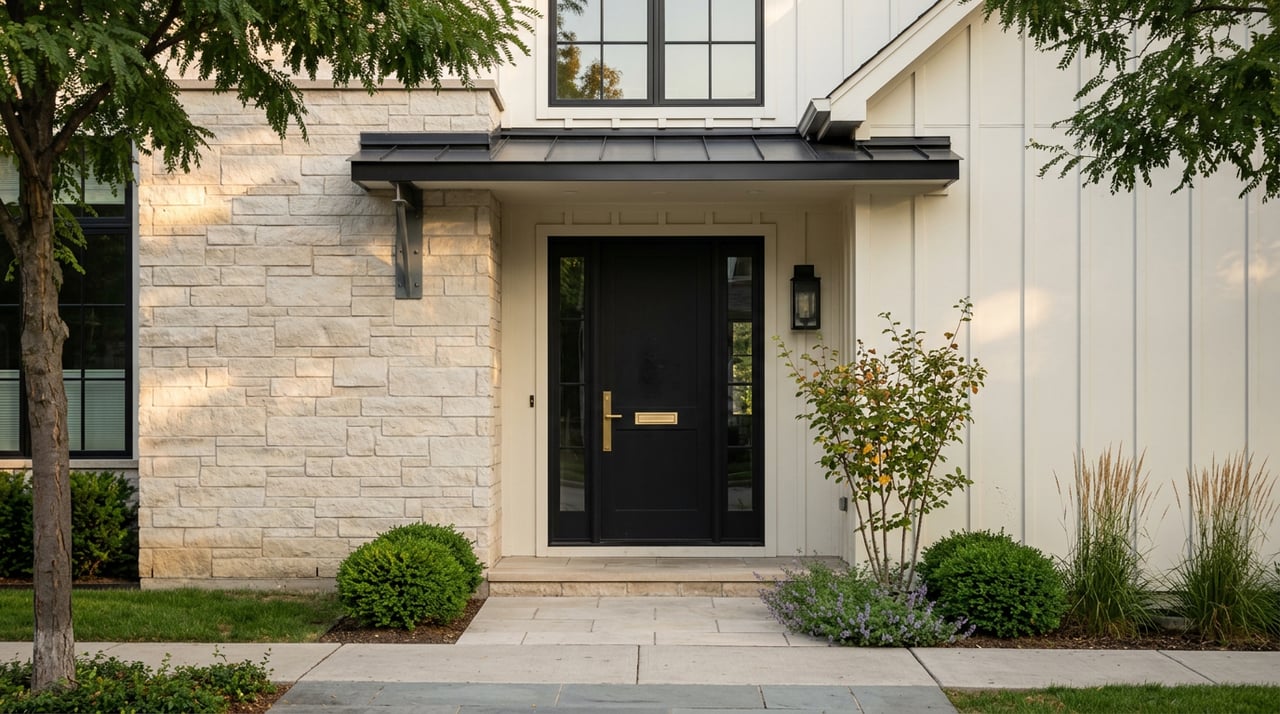
Along the East 7th Avenue corridor through Congress Park, you’ll find one of Denver’s best-preserved historic landscapes. The area features architect-designed homes from the late 19th and early 20th centuries, including Tudor, Colonial/Georgian, Mediterranean Revival, Queen Anne, and Craftsman forms. The Denver Public Library explains how the East 7th Avenue Historic District grew during the City Beautiful era, with notable architects and a distinctive parkway setting that many buyers prize for its graceful scale and mature trees. You can explore that background through the library’s neighborhood guide to the East 7th Avenue Historic District.
Park Hill adds range and diversity of housing stock, from early 1900s brick homes to classic Denver Squares and bungalows on tree-lined blocks. Together, these neighborhoods offer a blend of walkable streets, historic architecture, and central-city access that keeps interest strong in most market cycles.
What styles and features you’ll see
Expect a mix of:
- Denver Square/Foursquare and Craftsman bungalows
- Tudor, Colonial/Georgian Revival, Mediterranean/Spanish Revival
- Queen Anne and late-Victorian homes
- Higher-style mansions along East 7th Avenue Parkway
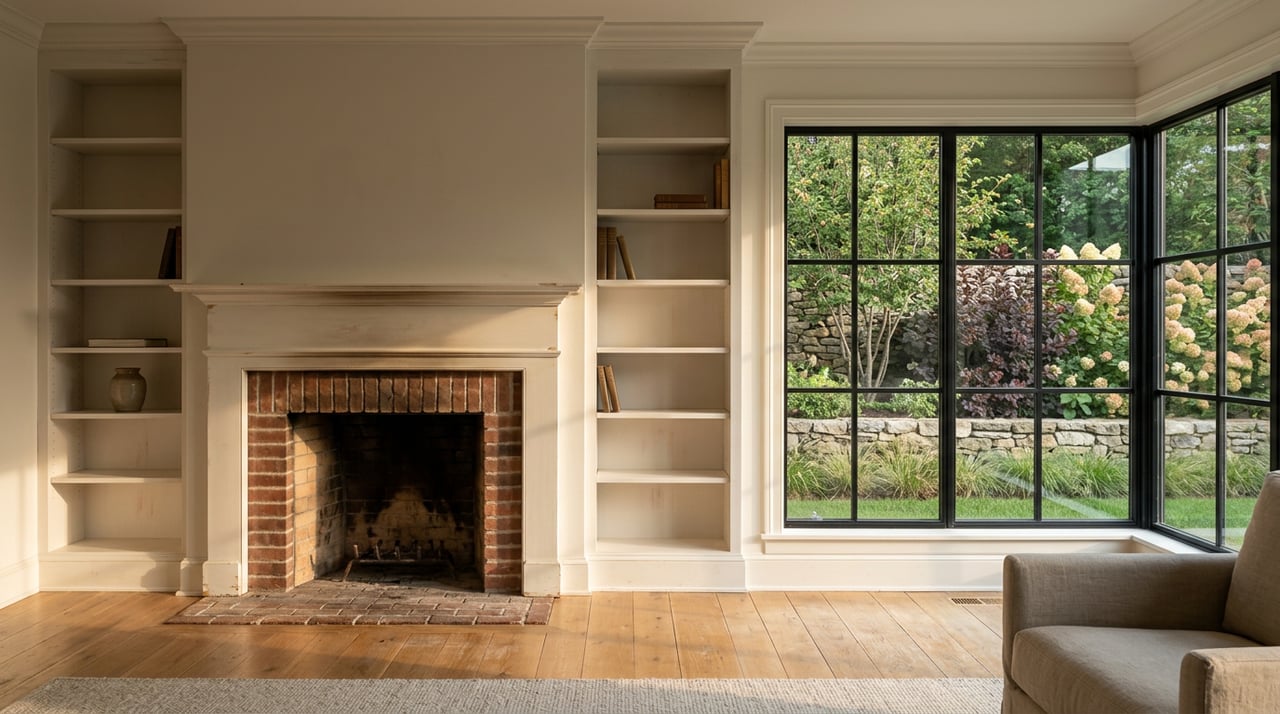
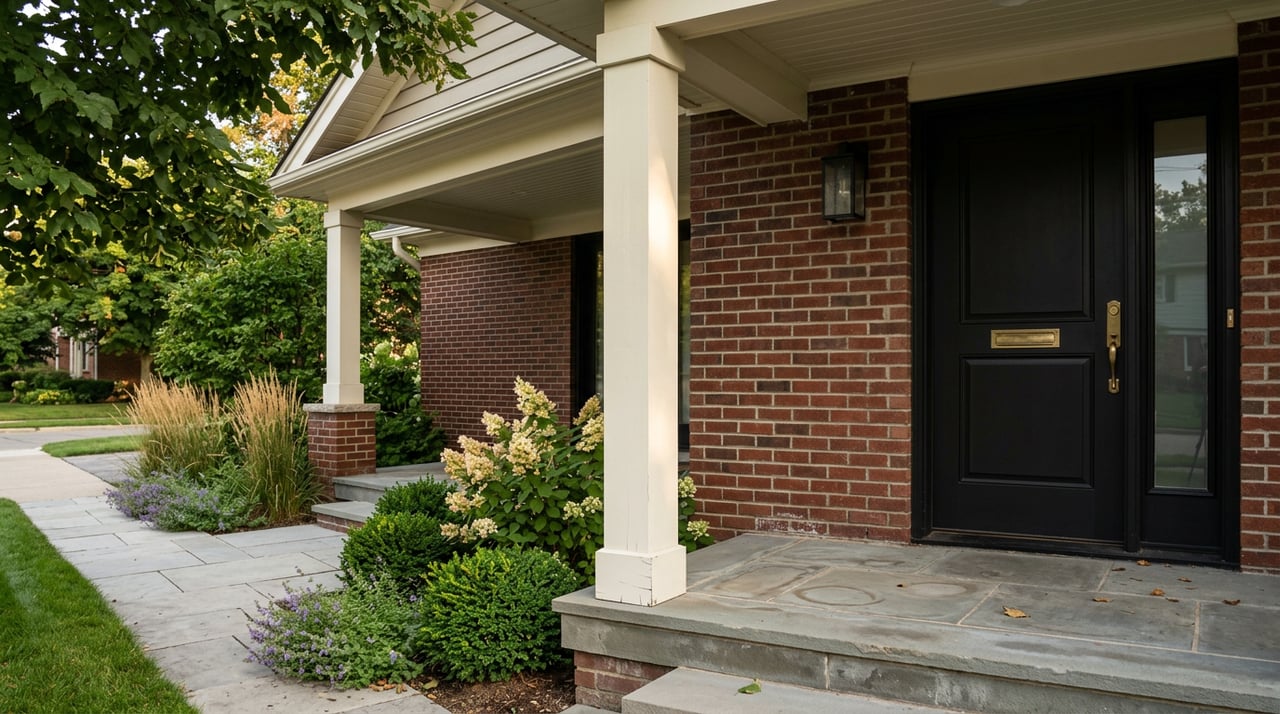
Character-defining details often include original hardwood floors, built-ins and millwork, plaster walls, classic porch proportions with brick piers, and original window patterns. When you evaluate a home, look for intact porches, consistent window rhythm, and original trim. These elements are commonly why buyers pay a premium for “historic character.”
For windows, preservation guidance generally favors repair over replacement, paired with weatherstripping or storm windows for comfort. That approach protects historic fabric and can ease design review in locally designated areas. For a practical primer, see this brief on repairing historic wood windows.
Designations: National vs local rules
It’s important to distinguish honorary recognition from local regulation:
- National Register of Historic Places listing documents and recognizes significance. On its own, it does not restrict a private owner’s right to alter a home.
- Local designation in Denver (a Denver Landmark or a locally designated historic district) triggers design review for many exterior changes that require permits. Interior work and paint color changes are generally not reviewed.
If you plan to change windows, add a dormer, build a new garage, or start an addition, confirm whether the property is locally designated and whether your work will require design review. Start with Denver’s guidance on Landmark Design Review. Allow time in your purchase timeline for this step.
When you need design review
You’ll typically need design review if your project requires a building or zoning permit and affects the exterior. Examples include:
- Additions, major porch changes, or new garages
- Window or door replacements that change appearance
- Roof alterations that change form or visibility
Routine interior updates, paint color changes, and many like-for-like repairs that do not require permits are often exempt. Always confirm scope and timelines with the Landmark office early.
Due diligence: inspections that matter
Older homes deserve a thorough inspection plan. Include these items in your offer contingency and due diligence timeline:
- General home inspection by an experienced inspector familiar with historic systems. For older homes, ask about the inspector’s experience with plaster walls, legacy wiring, and clay or cast-iron drains.
- Sewer line video scope. Denver’s older houses often have clay or cast-iron laterals with roots, offsets, or bellies. A clear video can surface multi-thousand-dollar issues and is a strong negotiating tool. Learn what to expect from a sewer-scope overview.
- Radon testing. Most Front Range counties are mapped by the EPA as higher-risk for radon. Include a test and plan for mitigation if levels exceed the EPA action level. See the EPA’s Colorado radon map.
- Lead-based paint and asbestos considerations for pre-1978 homes. If you plan to renovate, federal Renovation, Repair and Painting rules apply. Work with certified contractors and review EPA guidance on the RRP program.
- Electrical evaluation by a licensed electrician. Ask about knob-and-tube, ungrounded circuits, and panel brand/age. Electrical updates are common requests after inspection.
- Chimney and fireplace inspection plus a roof assessment. Older chimneys may need repointing, crown repair, or flue work. Roof flashing and prior storm wear often drive maintenance timelines.
- Structural/foundation check if the inspector flags settlement, cracking, or drainage issues. Denver’s soils, irrigation patterns, and freeze/thaw cycles can stress older footings. Bring in a structural or geotechnical specialist if needed.
Add specialty tests based on risk: mold/air quality if there are prior leaks, asbestos testing where suspect materials will be disturbed, and wood-destroying organism checks if there’s visible rot or crawlspace moisture.
Common maintenance to plan for
Historic homes reward care. Plan for these recurring items in Congress Park and Park Hill:
- Electrical upgrades. Many buyers budget for panel and circuit improvements to reach modern capacity and safety.
- Plumbing improvements. Galvanized supply or older drains may need partial repiping. Also ask about the water service line. Denver Water is replacing customer-owned lead service lines citywide through its Lead Reduction Program, so confirm material and any participation in the Lead Reduction Program.
- Window and envelope care. Follow preservation best practices when possible. Repairing historic wood windows and adding storms can improve comfort while preserving character. Reference the window repair brief for practical tips.
- Roofs, gutters, and drainage. Keep water away from the foundation. Clean gutters, improve grading, and plan for timely roof maintenance or replacement.
Permits, financing, and incentives
Permit and review basics
If a property is locally designated or inside a local historic district, exterior work that requires a building or zoning permit will go through Landmark design review. Confirm status and scope with the Landmark office and budget time in your closing and contractor schedules. Start with the City’s Landmark Design Review page.
Renovation-friendly financing
If you love a historic home that needs work, you have options to combine purchase and improvements:
- FHA 203(k). This FHA-insured loan wraps renovation funds into your mortgage. It comes in Limited and Standard versions, with requirements for bids, draws, and in some cases a 203(k) consultant. Learn more from HUD about FHA 203(k).
- Fannie Mae HomeStyle Renovation. A conventional product that finances purchase plus renovations, subject to program rules and lender overlays. See Fannie Mae’s HomeStyle Renovation guidance.
Other routes include cash, construction-to-permanent loans, or a HELOC after closing. Lenders may require permits, licensed contractors, and completion documentation for larger projects.
Tax credits and incentives
For major, qualified rehabilitation, Colorado offers a state-level historic rehabilitation tax credit for eligible structures and expenditures. Program details and caps evolve, so review the statute and consult a professional tax advisor early in planning. Start with the Colorado statute for the state historic rehabilitation tax credit.
Note: The federal Historic Rehabilitation Tax Credit generally applies to income-producing properties, not owner-occupied single-family homes. If you’re considering a rental or mixed-use scenario, coordinate early with the appropriate agencies and your tax advisor.
Resale and buyer strategy
Historic homes tend to have durable appeal because of their craftsmanship, scale, and neighborhood setting. To protect resale value:
- Prioritize historically sensitive exterior work. Keep changes compatible with the original design to streamline review and preserve curb appeal.
- Favor reversible, high-impact interior upgrades. Kitchens, baths, and lighting can be updated while retaining original floors, trim, and window patterns.
- Document everything. Save permits, plans, and contractor invoices to help future buyers and appraisers.
On negotiation strategy, let your inspection findings drive the ask. For example, if a sewer scope reveals root intrusion or offsets, request a seller credit or a licensed repair with permits and receipts. If the electrical system has safety issues, negotiate for corrections by a licensed electrician before closing or a clear credit tied to bids. These are common, practical approaches on older homes.
Buyer checklist and next steps
Use this quick checklist as you evaluate a historic home in Congress Park, Park Hill, or along East 7th Avenue:
- Confirm designation status and what it means for planned work. Review Denver’s Landmark Design Review guidance and ask for timelines.
- Lock in inspections: general home inspection, sewer-scope, radon test, chimney/roof checks, and an electrical evaluation. Add asbestos, lead paint, and mold tests as risk indicates. Reference the EPA radon map and RRP program if the home is pre-1978.
- Review permit history and seller disclosures. Ask about window changes, additions, and system upgrades.
- Get insurance and renovation quotes early. If you plan updates, secure bids to inform negotiations and loan choices.
- Match financing to scope. Compare FHA 203(k) and HomeStyle Renovation with your lender.
- Plan maintenance. Budget for windows, roof and drainage improvements, and potential plumbing or electrical upgrades. If applicable, learn about Denver Water’s Lead Reduction Program.
Ready to explore historic homes with a clear plan? We combine negotiation strength, vendor coordination, and local know-how to simplify the process and protect your investment. Reach out to The Tack Group to start smart and move confidently.
FAQs
What does local historic designation change in Denver?
- In Denver, local designation often requires design review for exterior work that needs permits. Interior work and paint color changes are generally not reviewed, but additions, new garages, and visible window changes usually are.
Do I really need a sewer scope for a historic Denver home?
- Yes, a video sewer-scope is standard for pre-1980 homes and often uncovers costly issues like roots or offsets. Use the findings to negotiate repairs or credits.
How can I improve energy efficiency without losing original windows?
- Consider repairing wood windows, adding weatherstripping and storms, and sealing air leaks. This approach preserves character and can align with preservation guidance favored in historic districts.
Which renovation loans work for historic homes that need updates?
- Two common options are FHA 203(k) and Fannie Mae HomeStyle Renovation. Both can bundle purchase and rehab costs, with different rules, limits, and documentation requirements.
Are there tax incentives for rehabbing a historic home in Colorado?
- Colorado offers a state-level historic rehabilitation tax credit for eligible projects. Federal credits typically apply to income-producing properties, not owner-occupied homes. Consult a tax advisor early to confirm eligibility and timing.