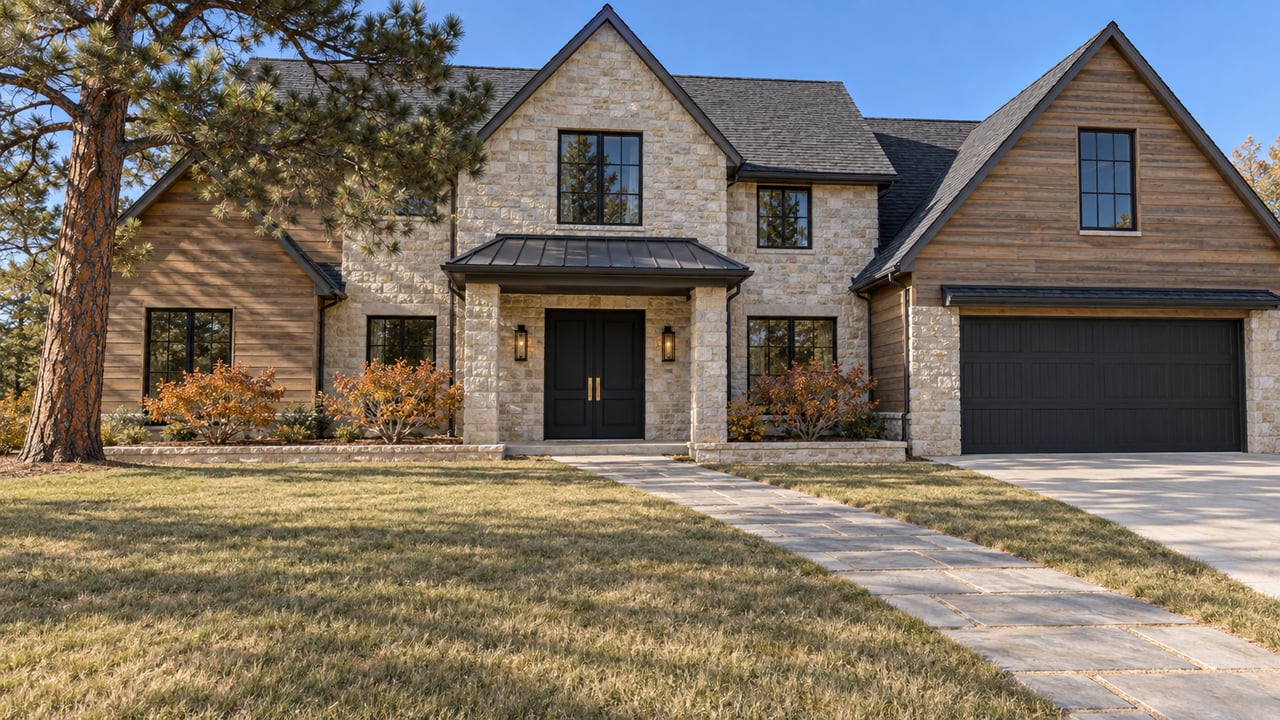
Thinking about Littleton but not sure if it fits your next move? You want a suburban feel, access to Denver, and weekend fun without long drives. You also need clear answers on housing, schools, and commute. This guide gives you a simple, local look at Littleton so you can decide with confidence. Let’s dive in.
Littleton at a glance
Littleton sits about 9 miles south of downtown Denver, with most of the city in Arapahoe County. It covers roughly 12.6 square miles at an elevation near 5,400 feet, and the 2020 Census counted 45,652 residents. Recent American Community Survey estimates place median household income around $96,000, which is above national levels. You can explore more fast facts on the city’s Wikipedia overview.
One important detail: a “Littleton” mailing address does not always mean a home is inside the City of Littleton. Some nearby neighborhoods and parks use Littleton in their address but sit outside city limits, which can change school districts, permits, and taxes. The City highlights this distinction in its guidance on addresses and permitting.
Neighborhoods and home types
Historic Downtown Littleton delivers a small‑town main street with preserved storefronts, local restaurants, and frequent events. It is a walkable core that many residents treat as their community hub. For a feel of the vibe, see how the district showcases seasonal traditions on the Downtown Littleton page.
Across the broader Littleton area, you will find a wide mix of homes:
- Early cottages and bungalows near Historic Littleton, often on tree‑lined streets with smaller lots.
- Mid‑century ranches and split‑levels in established neighborhoods.
- Townhomes and condos near retail corridors and light‑rail stations.
- Larger suburban homes toward the foothills in areas like Ken Caryl and Roxborough, which offer more space and nearby open lands.
- Newer master‑planned communities in the south and southwest corridor, including Sterling Ranch and similar subdivisions.
Some of these areas have Littleton addresses but may fall outside city limits. That can change which government services and school districts apply, so it is worth verifying for any property you tour.
What homes cost today
Home prices vary by neighborhood, lot size, and proximity to amenities. Recent snapshots from market trackers place Littleton’s median in the mid‑$500k to mid‑$600k range, with older central neighborhoods and foothills‑edge areas often running higher than city medians. To keep it concrete, as of January 2026, Redfin reported a Littleton median sale price around $597,500. Always check the date and provider, since medians shift over time and by pocket.
If you are targeting walkable streets near Historic Littleton or larger homes close to the foothills, plan for budgets that may sit above the citywide figure. If you are open to townhomes or condos near transit, you can often find more approachable price points. We recommend picking one trusted data source, timestamping your numbers, and comparing across two or three neighborhoods you like.
Getting around
Littleton is served by RTD’s D Line at two stations: Littleton/Downtown and Littleton/Mineral. Mineral offers a large park‑and‑ride, while Littleton/Downtown is steps from Main Street. For station details and parking, start with RTD’s facilities page. Typical D Line travel times from Littleton into central Denver are often in the low‑30‑minute range, depending on schedule and slow zones.
If you drive, key routes include Santa Fe Drive (US‑85), Broadway, Wadsworth, and the C‑470 beltway. Off‑peak, many residents report 10 to 20 minutes to the Denver Tech Center and 25 to 40 minutes to downtown Denver, depending on traffic and origin. Travel times can lengthen at rush hour, so it pays to test your likely commute during the times you would travel.
Walkability and bike access around the Mineral station continue to improve. The City is delivering upgrades through the Mineral Mobility East Improvements project, which aims to make last‑mile connections safer and more comfortable.
Schools and boundaries
Littleton Public Schools (often called Littleton 6) serves most of the City of Littleton, with elementary, middle, and three high schools, plus specialty programming and career pathways. You can learn more about the district on the Littleton Public Schools site. Because district lines do not match postal addresses, confirm a home’s school assignment before you write an offer. The Colorado Department of Education’s district profile is a helpful starting point.
If a property sits outside City of Littleton limits, it may be served by a different district. Always check the official boundary maps and school lookups to avoid surprises.
Parks, trails, and weekend play
The South Suburban Parks & Recreation District manages many of Littleton’s parks and trails, including the Mary Carter Greenway along the South Platte River. The district’s network connects neighborhoods to regional routes and offers more than 125 miles of trails to walk, bike, or roll. Get an overview of the system on South Suburban’s About page.
You also have quick access to standout outdoor spots that families use year‑round: Hudson Gardens & Event Center, South Platte Park and the Carson Nature Center, Chatfield State Park for water recreation, and the dramatic red‑rock formations at Roxborough State Park. For a sampler of spring and warm‑weather ideas, browse the city’s outdoor guide.
Healthcare and services
AdventHealth Littleton is the area’s primary hospital and offers expanded specialty care, including heart and vascular and emergency services. Proximity to full‑service care can be a deciding factor for many families. Explore services on the AdventHealth Littleton page.
Pros and tradeoffs to weigh
Every move involves tradeoffs. Here are common points families consider in Littleton.
Pros
- A character‑rich, walkable downtown with frequent events and independent shops creates a true community hub. See how the district highlights local traditions on the Downtown Littleton page.
- A primary public district, Littleton Public Schools, serves most of the city and offers specialty programming. Check the district site to explore options.
- Extensive trails and easy access to places like Chatfield, Roxborough, and the South Platte corridor make weekend outings simple. The South Suburban trail network is a daily lifestyle perk.
- Direct light‑rail access to downtown, plus a large park‑and‑ride at Mineral, gives you a viable transit option.
Tradeoffs
- Affordability can be a hurdle compared with more distant suburbs, and prices vary widely by neighborhood.
- Car commute times can stretch during peak hours on US‑85, C‑470, and I‑25. Testing your route is smart.
- Boundary nuances matter. A Littleton mailing address is not the same as City of Littleton. This can affect schools, permits, utilities, and taxes. See the City’s address and permitting guidance and verify each property.
Who Littleton fits: three quick scenarios
- Family A wants walkability and a light‑rail option. Target smaller single‑family homes or townhomes near Historic Littleton and the Littleton/Downtown station. Expect prices that can sit above city medians due to location and character.
- Family B wants more space and weekend trail access. Look to larger homes near the foothills in Ken Caryl and Roxborough areas, which often carry higher price points but trade for yard size and open‑space proximity.
- Family C wants a newer home and community amenities. Explore master‑planned neighborhoods in the south and southwest corridor, including Sterling Ranch and nearby subdivisions, where new construction and planned parks are a draw.
Your decision checklist
Use this short list to confirm fit before you start touring.
- Confirm the property’s assigned schools using the district boundary tools and the Colorado Department of Education’s district profile for Littleton Public Schools.
- Pick one market data source and timestamp your numbers. Medians move month to month.
- Test the commute at your real travel times. Compare a drive with RTD’s Littleton rail stations and parking info.
- Verify if the home is inside the City of Littleton or simply has a Littleton mailing address. Start with the City’s address and permitting guidance.
- Map your daily parks and trails. The South Suburban network and the Mary Carter Greenway are big quality‑of‑life wins.
Make your move with confidence
If Littleton sounds like a match, let’s turn research into a plan. We help you clarify neighborhoods, pressure‑test commute choices, and align your budget with current market conditions. When you are ready, we coordinate lenders, staging, and showings so you can focus on the right decision for your family. Connect with The Tack Group to start your Littleton search.
FAQs
How close is Littleton to downtown Denver?
- Littleton sits about 9 miles south of downtown Denver, which supports both light‑rail and reasonable off‑peak driving access. See city basics on Wikipedia.
What is the difference between a Littleton mailing address and the City of Littleton?
- Some addresses say “Littleton” but fall outside city limits, which can change schools, taxes, and permits. Review the City’s address and permitting guidance and verify each property.
Which school district serves most of Littleton?
- Littleton Public Schools serves most of the city. Explore programs on the LPS site and confirm boundaries using the Colorado Department of Education profile.
How long is the light‑rail ride to downtown?
- Typical D Line travel times from Littleton stations into central Denver are often about 30 to 33 minutes, depending on schedule. Check stations and parking on RTD’s facilities page.
What are current home prices in Littleton?
- Market trackers placed Littleton’s median in the mid‑$500k to mid‑$600k range recently. For a timestamped example, Redfin reported about $597,500 in January 2026. Always verify the latest data before you shop.